What is Ad Intelligence?

Introduction
In today’s fragmented digital landscape where consumer attention spans across countless platforms and channels, making informed advertising decisions has become both critical and complex. Ad intelligence (also called advertising intelligence) has emerged as the essential solution for brands looking to cut through the noise, optimize their ad spend, and stay ahead of competitors.
This comprehensive guide explains what ad intelligence is, how it works, and why it’s become indispensable for modern advertisers looking to maximize their return on ad spend.
What is Ad Intelligence?
Ad intelligence is the systematic process of collecting, analyzing, and applying advertising data to make better marketing decisions. It provides advertisers with detailed insights into campaign performance, competitor strategies, market trends, and audience behavior across multiple platforms and channels.
At its core, ad intelligence transforms raw advertising data into actionable insights that help you:
- Understand which campaigns are driving results and which are wasting budget
- Discover what competitors are running, where they’re advertising, and how much they’re spending
- Identify emerging market trends and consumer preferences before your competitors
- Optimize ad spend allocation across channels based on real performance data
- Improve targeting strategies using behavioral and demographic insights
Think of ad intelligence as your advertising command center—a unified view that brings together performance metrics, competitive insights, creative analysis, and market intelligence to guide every decision you make.
Why Ad Intelligence Matters in 2025
Running advertisements without data-driven insights is essentially guesswork. In an environment where advertising costs continue to rise and consumer expectations have never been higher, ad intelligence has become non-negotiable for several reasons:
1. The Complexity of Modern Advertising
Today’s advertisers must manage campaigns across an expanding array of channels including TV, connected TV (CTV), digital display, social media, search, audio streaming, print, out-of-home, and cinema. Each platform has unique requirements, audience behaviors, and performance metrics. Ad intelligence platforms consolidate this complexity into a single, coherent view.
2. Rising Customer Expectations
Research shows that fewer than half of consumers believe brands deliver great experiences. In this environment, ad intelligence gives you the competitive edge needed to understand what resonates with audiences and deliver messaging that actually connects.
3. Maximizing Return on Investment
With advertising budgets under constant scrutiny, every dollar must work harder. Ad intelligence helps identify which channels, formats, and messages deliver the best returns, allowing you to reallocate budget away from underperforming campaigns toward proven winners.
4. Speed of Market Changes
Consumer preferences, competitive landscapes, and platform algorithms change rapidly. Ad intelligence with real-time analytics enables you to detect these shifts immediately and adjust your strategy before opportunities disappear or threats materialize.
5. Competitive Pressure
Your competitors are already using data to inform their decisions. Without ad intelligence, you’re essentially flying blind while they’re using radar. Understanding competitor strategies—from their ad spend to their creative messaging—is essential for finding gaps and opportunities in the market.
Key Components of Ad Intelligence
Effective ad intelligence encompasses several critical elements that work together to provide comprehensive insights:
Ad Spend Analysis
Understanding how advertising dollars flow through the market is fundamental to smart strategy. Ad spend analysis reveals:
- Where competitors invest their budgets across different platforms and media types
- Seasonal spending patterns and promotional cycles
- Budget allocation strategies that signal competitor priorities
- Market share by advertiser within your category
- Emerging investment trends that indicate new opportunities
This intelligence helps you benchmark your own spending, identify underutilized channels, and make informed budget decisions based on market dynamics rather than assumptions.
Creative Intelligence
Analyzing advertising creative goes beyond simply viewing competitor ads. Creative intelligence includes:
- Messaging strategies and positioning approaches used by successful brands
- Visual trends and design patterns that resonate with target audiences
- Format effectiveness (video vs. static, long-form vs. short-form)
- Call-to-action variations and their impact on performance
- Creative lifecycle—how long ads run before being refreshed
Understanding what creative approaches work in your market enables you to develop more effective messaging while avoiding already-saturated themes.
Competitive Intelligence
One of the most valuable aspects of ad intelligence is visibility into competitor activity. This includes:
- Complete ad inventories showing all active campaigns by competitor
- Platform preferences and channel mix strategies
- Targeting approaches inferred from placement and messaging
- Campaign timing and promotional calendars
- New product launches and market entry strategies
This competitive visibility allows you to respond quickly to market moves, identify defensive needs, and spot offensive opportunities.
Performance Analytics
Understanding how ads perform is crucial for optimization. Performance analytics within ad intelligence platforms track:
- Impressions, reach, and frequency metrics across campaigns
- Engagement rates and interaction patterns
- Conversion attribution and customer journey insights
- Return on ad spend (ROAS) by channel and campaign
- Performance trends over time to identify what’s improving or declining
These metrics enable data-driven decisions about what to scale, what to pause, and what to test next.
Audience Intelligence
Knowing who engages with advertising helps refine targeting and messaging. Audience intelligence reveals:
- Demographic profiles of engaged audiences
- Behavioral patterns and content preferences
- Device usage and platform preferences
- Geographic concentration and regional variations
- Psychographic insights when available
This information transforms generic campaigns into precisely targeted messages that speak directly to the people most likely to convert.
Market Trend Analysis
Staying ahead requires understanding where the market is heading. Trend analysis identifies:
- Emerging consumer preferences and behavior shifts
- Platform adoption patterns and declining channels
- Seasonal fluctuations and cyclical opportunities
- Regulatory changes affecting advertising strategies
- Technological innovations changing how ads are delivered
Early detection of these trends provides first-mover advantages that can define market leadership.
How Ad Intelligence Platforms Work
Modern ad intelligence platforms employ sophisticated methodologies to gather and process advertising data:
Data Collection
Ad intelligence tools collect information through multiple methods:
- Direct measurement: First-party data from connected campaigns and pixels
- Contributory networks: Anonymized data from browser extensions and apps
- Platform partnerships: Official integrations with ad networks and publishers
- Web crawling: Automated monitoring of websites, apps, and digital properties
- Media monitoring: Tracking of traditional media including TV, radio, and print
This multi-source approach ensures comprehensive coverage across the advertising ecosystem.
Data Processing and Harmonization
Raw advertising data is inconsistent across sources. Ad intelligence platforms standardize this information through:
- Unified taxonomies that categorize advertisers, products, and industries consistently
- Creative recognition algorithms that identify and classify ad formats
- Spend estimation models that calculate investment levels
- Audience measurement integrations that provide reach and frequency data
- Quality assurance processes that validate accuracy
This harmonization enables apples-to-apples comparisons across different platforms and time periods.
Analysis and Insights Generation
Advanced platforms go beyond raw data to provide actionable intelligence:
- Machine learning algorithms identify patterns humans might miss
- Benchmarking tools compare your performance against competitors and industry standards
- Predictive analytics forecast future performance based on historical trends
- Anomaly detection alerts you to unusual activity requiring attention
- Recommendation engines suggest optimization opportunities
The best platforms transform data into clear guidance about what actions to take.
Reporting and Visualization
Insights are only valuable if they’re accessible and understandable. Modern ad intelligence platforms offer:
- Customizable dashboards that highlight your key metrics
- Interactive visualizations that make complex data intuitive
- Automated reports delivered on your schedule
- Export capabilities for integration with other tools
- API access for custom applications and workflows
These features ensure insights reach the right stakeholders in formats they can actually use.
Benefits of Using Ad Intelligence
Organizations that implement ad intelligence solutions experience significant advantages:
Improved Campaign Performance
By understanding what works and quickly optimizing based on real data, advertisers see measurable improvements in key performance indicators. Real-time adjustments prevent budget waste and maximize impact.
Competitive Advantage
Visibility into competitor strategies allows you to identify market gaps, respond to competitive threats, and capitalize on competitor mistakes. You’re no longer reacting to market moves after they’ve happened—you can see them as they unfold.
Smarter Budget Allocation
Data-driven spending decisions ensure resources flow to high-performing channels and campaigns. This optimization can dramatically improve overall return on ad spend while maintaining or even reducing total budget.
Enhanced Creative Effectiveness
Understanding which creative approaches resonate with audiences helps creative teams develop more effective advertising. Learning from both your successes and industry best practices accelerates creative development.
Faster Time to Market
When launching new campaigns or entering new markets, ad intelligence provides the market understanding you need to hit the ground running rather than learning through expensive trial and error.
Risk Mitigation
Early detection of underperforming campaigns or emerging competitive threats allows you to address problems before they significantly impact results. This defensive capability protects your market position.
Strategic Planning Support
Long-term strategic decisions about market entry, product positioning, and channel strategy benefit from the comprehensive market view that ad intelligence provides.
Types of Ad Intelligence Tools
The ad intelligence market includes several categories of tools, each with different focuses:
Comprehensive Ad Intelligence Platforms
Full-service platforms like Nielsen Ad Intel, Kantar, and Admetricks provide coverage across multiple media types and markets. These enterprise solutions offer:
- Global market coverage (90+ countries in some cases)
- Multi-channel data (TV, digital, social, print, OOH, radio, cinema)
- Historical data spanning years
- Extensive advertiser and brand coverage
- Professional support and custom reporting
These platforms serve agencies, large brands, and media companies requiring comprehensive market intelligence.
Digital-Focused Solutions
Tools like Semrush AdClarity, Similarweb Ad Intelligence, and Pathmatics specialize in digital advertising with deep coverage of:
- Display advertising across hundreds of thousands of publishers
- Video advertising including YouTube and social platforms
- Social media advertising on Facebook, Instagram, LinkedIn, Twitter
- Programmatic advertising and ad network data
- Mobile advertising and in-app campaigns
Digital specialists excel at providing granular insights into online advertising strategies.
Channel-Specific Tools
Certain platforms focus on particular advertising channels:
- Search advertising: SpyFu and iSpionage for PPC intelligence
- Social media: BigSpy and Foreplay for social ad discovery
- Mobile apps: Sensor Tower and MobileAction for app advertising
- E-commerce: Various tools focused on Amazon, Walmart, and retail media
Channel-specific tools provide exceptional depth within their domain but require multiple subscriptions for complete coverage.
Creative Intelligence Platforms
Newer solutions like SuperAds focus specifically on creative performance, using AI to analyze which visual elements, messaging approaches, and formats drive results. These tools help creative teams understand what works before investing in production.
Key Features to Look for in Ad Intelligence Solutions
When evaluating ad intelligence platforms, prioritize these capabilities:
Coverage Breadth
Ensure the platform covers the channels, markets, and competitors most relevant to your business. Global brands need international coverage, while local businesses may prioritize depth in specific markets.
Data Quality and Freshness
Verify that data is accurate, comprehensive, and updated frequently enough for your needs. Real-time or daily updates are essential for fast-moving markets, while weekly updates may suffice for others.
Ease of Use
The platform should make complex data accessible through intuitive interfaces and clear visualizations. If your team struggles to use the tool, valuable insights will go undiscovered.
Integration Capabilities
Look for platforms that integrate with your existing marketing technology stack through APIs, exports, or native connections. Seamless data flow eliminates manual work and enables automation.
Customization Options
The ability to create custom reports, dashboards, and alerts ensures the platform adapts to your specific workflow rather than forcing you to change how you work.
Support and Training
Quality customer support, comprehensive documentation, and training resources help your team maximize value from the platform.
Competitive Intelligence Depth
If competitive analysis is a priority, evaluate how many competitors you can track simultaneously and what detail is available about their campaigns.
How to Implement Ad Intelligence in Your Organization
Successfully deploying ad intelligence requires thoughtful planning and execution:
Step 1: Define Your Objectives
Start by clarifying what you want to achieve with ad intelligence. Common objectives include:
- Reducing wasted ad spend by a specific percentage
- Improving campaign ROI across channels
- Accelerating response time to competitive moves
- Improving creative effectiveness scores
- Expanding into new markets with lower risk
Clear objectives guide tool selection and implementation priorities.
Step 2: Select the Right Platform
Evaluate solutions based on your objectives, budget, and requirements. Consider starting with a focused solution and expanding as needs grow rather than overwhelming your team with an overly complex enterprise platform.
Step 3: Integrate with Existing Systems
Connect your ad intelligence platform with campaign management tools, analytics platforms, and reporting systems. This integration ensures insights flow into decision-making processes rather than sitting in isolation.
Step 4: Train Your Team
Invest in comprehensive training so team members understand how to access insights, interpret data, and take action. Identify power users who can support others as questions arise.
Step 5: Establish Processes
Define how ad intelligence insights will inform decision-making:
- Who reviews competitive intelligence and how often?
- What performance thresholds trigger campaign adjustments?
- How are insights shared across teams?
- What approval is needed for strategy changes based on intelligence?
Documented processes ensure intelligence leads to action.
Step 6: Start with Quick Wins
Identify opportunities where ad intelligence can drive immediate improvements. Early successes build organizational support for broader adoption.
Step 7: Iterate and Expand
As your team gains proficiency, expand usage to additional use cases, channels, and markets. Continuously refine how you leverage insights to maximize value.
Ad Intelligence Use Cases Across Industries
Different industries leverage ad intelligence in unique ways:
E-commerce and Retail
Online retailers use ad intelligence to monitor competitor promotions, track seasonal advertising patterns, optimize product listing ads, and identify gaps in market coverage.
Financial Services
Banks and insurance companies analyze competitor messaging, monitor regulatory compliance in advertising, benchmark share of voice, and identify customer acquisition cost trends.
Technology and SaaS
Tech companies track competitor positioning, monitor product launch campaigns, analyze feature messaging, and benchmark customer acquisition strategies.
Consumer Packaged Goods
CPG brands monitor promotional cycles, track category spending trends, analyze creative themes by season, and measure share of voice against key competitors.
Automotive
Auto manufacturers track model-specific campaigns, monitor dealer advertising, analyze seasonal messaging patterns, and benchmark incentive promotions.
Healthcare and Pharma
Healthcare organizations monitor direct-to-consumer campaigns, track condition awareness initiatives, analyze patient targeting approaches, and ensure competitive positioning.
Common Challenges and How to Overcome Them
Organizations implementing ad intelligence face several common obstacles:
Data Overload
Challenge: Too much data can overwhelm teams and obscure actionable insights.
Solution: Start with a focused set of KPIs and dashboards. Expand gradually as teams become comfortable interpreting and acting on intelligence.
Integration Complexity
Challenge: Connecting ad intelligence with existing marketing technology can be technically challenging.
Solution: Work with platform vendors to identify integration options. Consider starting with manual exports while planning longer-term automation.
Cross-Team Alignment
Challenge: Different teams (creative, media, strategy) may use ad intelligence differently, leading to inconsistent insights.
Solution: Establish shared taxonomies, metrics, and reporting cadences. Regular cross-functional reviews ensure alignment.
Keeping Up with Changes
Challenge: The advertising landscape evolves rapidly, and yesterday’s insights may not apply today.
Solution: Implement regular intelligence reviews and establish alerts for significant changes in competitive or market conditions.
Balancing Speed and Accuracy
Challenge: Incomplete data in real-time versus complete data with delays creates tension.
Solution: Understand the tradeoffs and use preliminary data for rapid response while validating major decisions with complete information.
The Future of Ad Intelligence
Ad intelligence continues to evolve with several emerging trends:
AI and Machine Learning Integration
Artificial intelligence is making ad intelligence platforms smarter, with capabilities like automatic opportunity identification, predictive performance modeling, and natural language insights generation.
Expanded Channel Coverage
As advertising expands into new channels like connected TV, digital out-of-home, and retail media networks, ad intelligence platforms are racing to provide comprehensive coverage.
Privacy-First Intelligence
With increased privacy regulation and the deprecation of third-party cookies, ad intelligence is adapting to provide insights while respecting consumer privacy through aggregated data, privacy-safe methodologies, and first-party data emphasis.
Creative Performance AI
Advanced computer vision and natural language processing are enabling automated analysis of creative elements, identifying which specific visual components, messaging themes, and formats drive performance.
Real-Time Intelligence
The gap between ad impression and available intelligence continues to shrink, enabling near-instantaneous competitive response and optimization.
Conclusion
Ad intelligence has evolved from a nice-to-have luxury into an essential capability for modern advertisers. By providing visibility into your own performance, competitor strategies, and market dynamics, ad intelligence platforms enable data-driven decisions that improve results while reducing wasted spend.
Whether you’re a small business owner managing limited ad budgets or a global brand coordinating campaigns across dozens of markets, ad intelligence provides the insights needed to compete effectively in today’s complex advertising landscape.
The question is no longer whether to invest in ad intelligence, but rather which solution best fits your specific needs and how quickly you can implement it to start gaining competitive advantages.
Start by clearly defining your objectives, evaluating solutions that match your requirements, and implementing with a focus on quick wins that demonstrate value. As your organization gains proficiency with ad intelligence, expand usage to unlock even greater benefits.
In a world where data-driven decisions consistently outperform gut instinct, ad intelligence is your pathway to advertising success.
READ ALSO:- What Is MarTech?
Frequently Asked Questions
Q: What is the difference between ad intelligence and competitive intelligence?+
Ans: Ad intelligence is specifically focused on advertising data—campaign performance, ad spend, creative analysis, and media placement. Competitive intelligence is broader, encompassing competitor products, pricing, distribution, customer sentiment, and overall business strategy. Ad intelligence is a subset of competitive intelligence focused exclusively on the advertising domain.
Q: How much does ad intelligence software cost?
Ans: Pricing varies widely based on platform capabilities and coverage. Basic tools may start at $39-99 per month for limited features. Mid-tier solutions typically range from $500-2,000 monthly. Enterprise platforms like Nielsen Ad Intel can cost $20,000-100,000+ annually depending on markets covered and user seats. Many platforms offer tiered pricing based on your specific needs.
Q: Can small businesses benefit from ad intelligence?
Ans: Absolutely. While enterprise platforms may be cost-prohibitive, many affordable solutions provide valuable competitive insights. Even free tools like Meta’s Ad Library and Google’s Ads Transparency Center offer basic competitive visibility. Small businesses can gain significant advantages by understanding what larger competitors are doing and identifying underserved opportunities.
Q: How accurate is ad spend data in intelligence platforms?
Ans: Spend estimates are typically modeled rather than exact figures, with accuracy varying by platform and channel. Reputable platforms usually achieve 70-90% accuracy for digital spend estimates. Traditional media spend estimates can be quite accurate when based on rate card data. Always treat spend figures as directional guidance rather than precise measurements.
Q: What skills do I need to use ad intelligence tools effectively?
Ans: Basic digital marketing knowledge is essential—understanding campaign structures, common metrics, and advertising channels. Data analysis skills help interpret trends and patterns. Most platforms are designed for marketers rather than data scientists, so advanced technical skills aren’t required. Many vendors provide training to help users get up to speed quickly.
Q: How often should I review ad intelligence data?
Ans: Review frequency depends on your market dynamics. Fast-moving categories may require daily monitoring. Most advertisers benefit from weekly performance reviews and monthly competitive deep-dives. Establish alerts for significant changes so you’re notified of important developments immediately rather than discovering them during scheduled reviews.
Q: Is ad intelligence the same as marketing intelligence?
Ans: Marketing intelligence is broader, encompassing market research, customer insights, sales data, product intelligence, and competitive analysis across all business functions. Ad intelligence focuses specifically on advertising and paid media. Think of ad intelligence as one component within the larger marketing intelligence ecosystem.
Q: Can ad intelligence help with creative development?
Ans: Yes, significantly. By analyzing successful creative approaches in your category, identifying oversaturated themes to avoid, and understanding format effectiveness, ad intelligence informs creative strategy. Some platforms specifically focus on creative intelligence, using AI to identify which visual elements and messaging approaches drive performance.
Q: How do ad intelligence platforms handle privacy regulations?
Ans: Reputable platforms comply with privacy regulations like GDPR and CCPA by collecting data through legitimate means (authorized networks, public data, platform partnerships), aggregating information to prevent individual identification, and obtaining proper consent where required. Always verify that platforms you consider use privacy-compliant data collection methodologies.
Q: What’s the ROI of investing in ad intelligence?
Ans: ROI varies based on ad spend and implementation effectiveness, but many organizations report 10-50x returns through reduced waste, improved targeting, and better creative performance. If ad intelligence helps you avoid even 5-10% waste on a $1 million annual budget, it pays for itself many times over. The key is actively using insights to drive decisions rather than letting the platform sit unused.
Related Articles
Continue your learning journey with these related insights
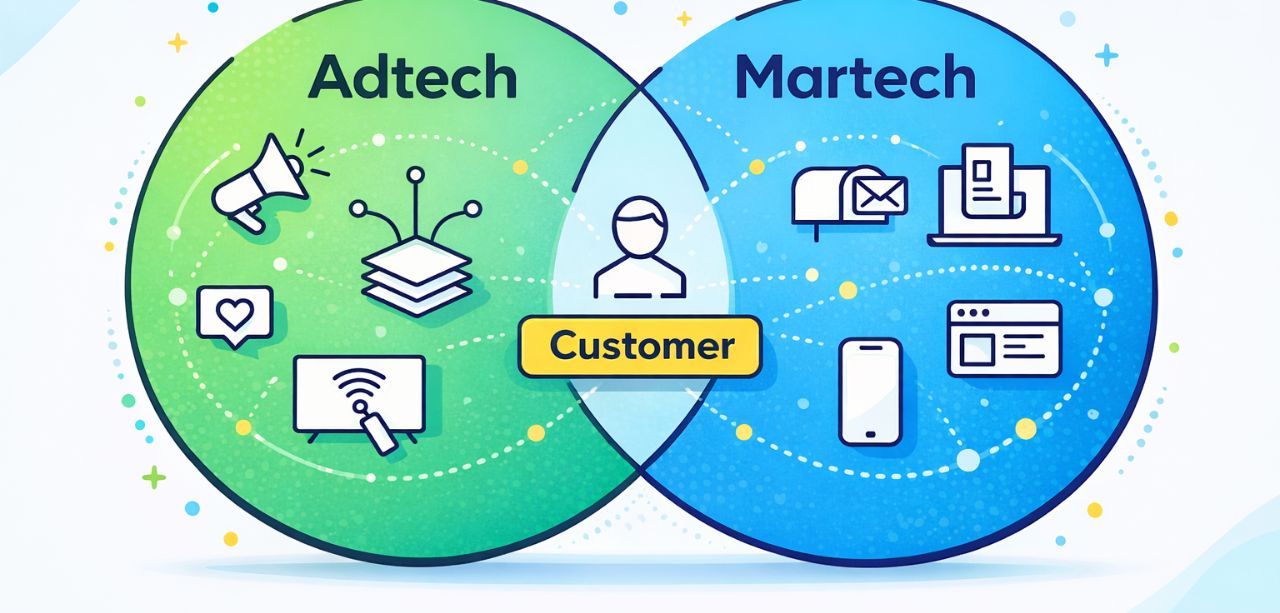
What’s the Difference Between AdTech and MarTech?
In today’s digital-first world, marketing success depends heavily on technology. Two terms you’ll hear constantly are MarTech and AdTech. While they often work together, they serve very different purposes. Understanding the differences between martech and adtech is essential for building effective marketing strategies, enhancing customer experience, and maximizing return on investment (ROI). This guide explains […]
Everything You Need to Know About First-Party Data
In today’s privacy-first digital landscape, understanding first-party data has become crucial for businesses seeking to establish meaningful customer relationships while complying with evolving regulations. First-party data is information that companies collect directly from their customers through their own channels, making it the most valuable and reliable data source available to modern marketers. As third-party cookies […]
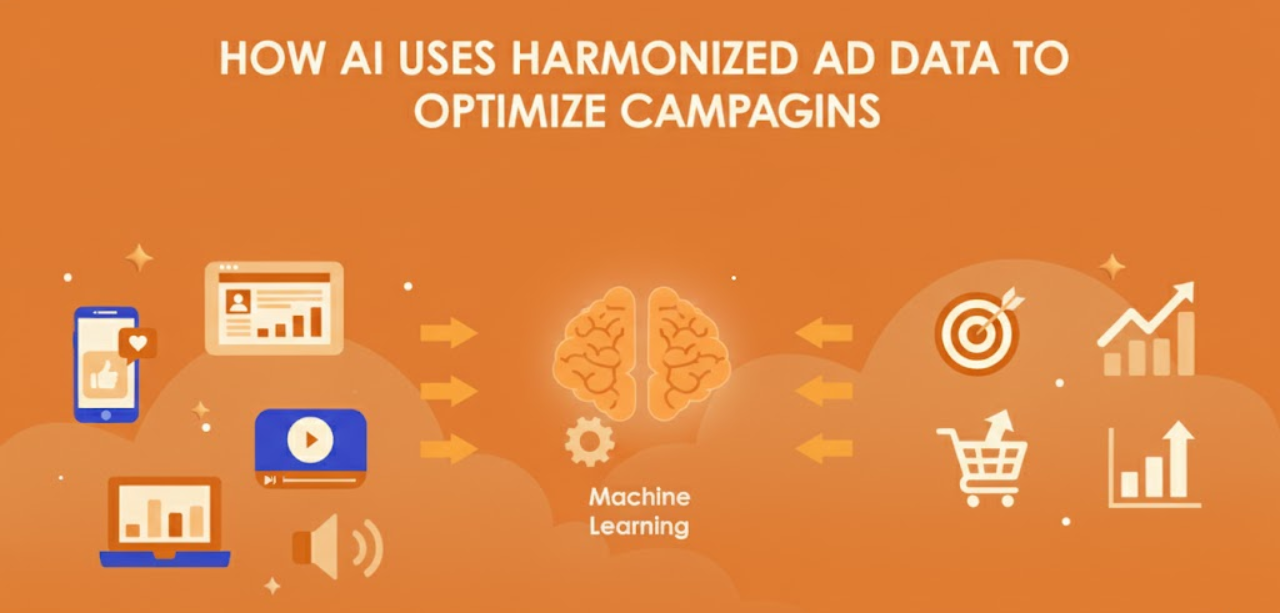
How AI Uses Harmonized Ad Data to Optimize Campaigns
Digital advertising wastes billions every year. Poor timing, wrong audiences, and scattered data are the main problems. AI fixes this by combining data from all your platforms into one smart system that actually works. What Is Harmonized Ad Data? Harmonized ad data means combining information from all your advertising platforms into one place. Instead of […]
Ready to Transform Your Advertising Strategy?
Join thousands of advertisers who trust Performoo to optimize their campaigns and maximize revenue.