What Is MarTech? The Complete 2025 Guide to Marketing Technology

Marketing has evolved far beyond billboards and cold calls. Today’s successful marketers operate at the intersection of creativity and technology, using sophisticated tools to connect with customers across dozens of touchpoints simultaneously. This transformation has a name: Marketing Technology, or MarTech.
If you’ve been overwhelmed by the sheer volume of marketing platforms available or wondered whether your current tools are actually delivering results, this guide will help you understand what MarTech is, why it matters, and how to build a stack that drives real business outcomes.
What Is MarTech?
Marketing technology refers to the software and digital tools that marketers use to plan, execute, measure, and optimize their marketing activities. From customer relationship management systems to email automation platforms and analytics dashboards, MarTech encompasses every technology solution that helps businesses connect with their audience more effectively.
The collection of tools your organization uses is called a MarTech stack. Think of it as your marketing engine, with each component serving a specific function while working together to create a seamless, data-driven marketing operation.
The Current State of MarTech
The MarTech landscape has exploded in recent years. As of 2025, over 15,000 marketing technology solutions exist globally, representing a staggering increase from just a few hundred tools a decade ago. This growth reflects both the increasing sophistication of digital marketing and the complexity of modern customer journeys.
However, quantity doesn’t equal quality. Research shows that most organizations use only about one-third of their MarTech capabilities fully, leaving critical insights trapped in disconnected systems and budgets spent on underutilized tools.
Why MarTech Matters
1. Automation Drives Efficiency and Scale
Marketing teams are expected to do more with less. MarTech automation handles repetitive tasks like email scheduling, social media posting, lead scoring, and data entry, freeing your team to focus on strategy and creative work. This operational efficiency allows small teams to execute enterprise-level campaigns without proportional increases in headcount.
According to industry data, teams using mobile CRM systems report 50% productivity improvements. When mundane tasks are automated, marketers can redirect their energy toward high-value activities like strategic planning, creative development, and relationship building.
2. Data-Driven Personalization at Scale
Modern consumers expect personalized experiences. In fact, 76% of consumers say they’re more likely to purchase from brands that offer personalized marketing experiences. MarTech makes this possible by aggregating behavioral data, purchase history, and engagement patterns across channels to create highly targeted campaigns.
Advanced segmentation engines and AI-driven personalization tools allow you to understand audiences at an individual level, tailoring content, timing, and channel selection for maximum impact. This level of personalization would be impossible to achieve manually at scale.
3. Unified Customer Journey Visibility
Customer journeys are no longer linear. Prospects might discover your brand on social media, research on your website, receive email nurture campaigns, and convert through a retargeting ad. MarTech consolidates these multichannel touchpoints into a single view, helping you identify engagement drop-offs and optimize every stage of the funnel.
This visibility is crucial for understanding what’s working and what isn’t. Without it, you’re essentially flying blind, unable to attribute success or failure to specific tactics.
4. Measurable ROI and Revenue Attribution
Marketing accountability has never been more important. MarTech connects marketing data with CRM and financial systems, quantifying marketing’s impact on revenue. This transparency enables better forecasting, budget allocation, and demonstrates marketing’s contribution to bottom-line growth.
Modern attribution models powered by MarTech help answer critical questions: Which channels drive the most valuable customers? What’s the true cost per acquisition across the entire journey? How do different touchpoints contribute to conversion?
5. Competitive Agility in Fast-Moving Markets
MarTech enables rapid experimentation and adaptation. Teams can test messaging, audience segments, and creative formats at scale, backed by real-time analytics. This agility allows organizations to quickly capitalize on emerging opportunities and respond to market shifts before competitors do.
MarTech vs. AdTech
While the terms are sometimes used interchangeably, MarTech and AdTech serve different purposes:
AdTech focuses specifically on paid advertising execution and management. It includes demand-side platforms, supply-side platforms, ad exchanges, and programmatic advertising tools that help place and optimize paid campaigns.
MarTech encompasses a broader ecosystem. It includes AdTech but extends to customer relationship management, content management systems, email marketing platforms, social media management tools, analytics solutions, and more. MarTech covers the entire marketing lifecycle from strategy to execution to measurement.
Think of it this way: AdTech helps you buy and place ads effectively, while MarTech helps you manage your entire marketing operation holistically.
Core Components of a Modern MarTech Stack
Building an effective MarTech stack requires understanding the essential categories of tools and how they work together.
Customer Relationship Management (CRM)
The CRM sits at the heart of most MarTech stacks. It stores customer data, tracks interactions across channels, and provides a single source of truth for customer information. CRMs enable sales and marketing alignment by giving both teams access to comprehensive customer histories, outstanding orders, support issues, and engagement patterns.
Popular CRM platforms include Salesforce, HubSpot, and Microsoft Dynamics, each offering different strengths for various business sizes and complexity levels.
Content Management System (CMS)
Your CMS powers your digital presence, managing website pages, blog content, landing pages, and more. Modern CMS platforms like WordPress, HubSpot CMS, and Drupal are designed for ease of use, requiring virtually no coding knowledge for basic operations.
Advanced CMS options now include headless architectures that separate content management from presentation, enabling omnichannel content delivery across websites, mobile apps, and other digital touchpoints.
Marketing Automation Platforms
These tools automate repetitive marketing tasks and enable sophisticated nurture campaigns based on user behavior and engagement. They can trigger emails based on website activity, score leads automatically, segment audiences dynamically, and coordinate multi-channel campaigns.
Email marketing remains central to automation efforts, with 77% of marketers reporting increased email engagement recently. Modern automation goes beyond email to include SMS, push notifications, and in-app messaging.
Analytics and Business Intelligence Tools
Data without insights is just noise. Analytics platforms like Google Analytics 4, Mixpanel, and Tableau transform raw data into actionable intelligence. They track website performance, measure campaign effectiveness, identify customer behavior patterns, and provide the insights needed for data-driven decision-making.
Advanced analytics capabilities include predictive modeling, customer lifetime value calculations, and multi-touch attribution across the entire customer journey.
Social Media Management Tools
Social media requires constant attention and strategic posting across multiple platforms. Social media management tools help schedule content, monitor engagement, respond to customer inquiries, and analyze performance across channels.
These platforms also facilitate social listening, helping you understand sentiment around your brand and identify emerging trends in your industry.
SEO and Content Optimization Tools
SEO tools like SEMrush, Ahrefs, and Moz help optimize online visibility and drive organic traffic. They provide keyword research, competitive analysis, backlink monitoring, site health checks, and content recommendations to improve search engine rankings.
Since organic search remains one of the highest-ROI marketing channels, SEO tools are essential for long-term digital marketing success.
Advertising and AdTech Platforms
While separate from core MarTech, advertising platforms integrate into your stack to manage paid campaigns. Google Ads, Facebook Ads Manager, LinkedIn Campaign Manager, and programmatic advertising platforms help execute paid strategies and track performance.
Digital Asset Management (DAM)
Often called the heart of a MarTech stack, DAM systems provide centralized storage for marketing assets like images, videos, brand guidelines, and templates. They ensure brand consistency across touchpoints and eliminate the chaos of scattered files and outdated versions.
Building Your MarTech Stack
Creating an effective MarTech stack isn’t about collecting every trending tool. It’s about strategic selection and integration based on your unique business goals.
Step 1: Define Clear Objectives
Start with your desired outcomes. Are you focused on lead generation, customer retention, brand awareness, or e-commerce conversion? Your objectives should include quantifiable metrics like customer lifetime value, conversion rates, or marketing-qualified leads.
Understanding your goals prevents the common pitfall of adopting tools just because they’re popular, only to find they don’t address your actual needs.
Step 2: Understand Your Customer Journey
Map how prospects move from awareness to conversion and beyond. Identify the critical touchpoints where marketing interventions have the most impact. This journey mapping reveals which MarTech capabilities you truly need versus nice-to-have features.
For example, if your sales cycle is long and relationship-driven, you’ll need robust lead nurturing and CRM capabilities. If you’re in e-commerce with shorter consideration periods, conversion rate optimization and retargeting tools become priorities.
Step 3: Audit Existing Capabilities
Before adding new tools, assess what you already have. Many organizations suffer from tool sprawl, with overlapping functionality across multiple platforms and unused licenses draining budgets.
Conduct a systematic audit measuring utilization rates, integration quality, and actual ROI for each existing tool. This often reveals opportunities to consolidate, eliminate redundancies, and identify genuine gaps in your stack.
Step 4: Prioritize Integration and Interoperability
The power of MarTech comes from tools working together seamlessly. When selecting new platforms, prioritize those with open APIs, pre-built integrations with your existing systems, and proven track records of interoperability.
Data silos destroy MarTech effectiveness. If your CRM doesn’t talk to your email platform or your analytics dashboard can’t pull data from your advertising accounts, you’ll spend more time manually transferring data than actually analyzing it.
Step 5: Focus on Scalability
Your MarTech stack should grow with your business, not constrain it. Evaluate whether tools can handle increasing data volumes, support expansion into new channels or markets, and offer flexible pricing models that align with your growth trajectory.
Legacy systems that worked well at startup scale can become bottlenecks as your marketing operation matures. Plan for the future, not just current needs.
Step 6: Invest in Adoption and Training
Even the most powerful tools deliver no value if your team doesn’t use them effectively. Budget for comprehensive onboarding, ongoing training, and internal champions who can help drive adoption across the organization.
Poor user adoption is one of the most common reasons MarTech implementations fail. The best stack isn’t determined by feature lists but by what your team actually uses day-to-day.
Common MarTech Challenges and How to Overcome Them
Tool Overload and Vendor Sprawl
With thousands of options available, it’s easy to accumulate too many tools with overlapping functionality. This creates inefficiencies, increases costs, and fragments data.
Solution: Conduct regular stack audits, prioritize consolidation where possible, and establish clear governance for tool adoption. Require business cases demonstrating clear ROI before adding new platforms.
Data Fragmentation and Silos
When platforms don’t communicate effectively, you lose the unified view of customer behavior that makes MarTech valuable.
Solution: Prioritize integration from the beginning. Consider data integration platforms or customer data platforms that serve as central hubs, normalizing and unifying data from multiple sources.
Low ROI from Underutilized Tools
Organizations often use only a fraction of their MarTech capabilities, paying for features they never activate.
Solution: Establish utilization metrics for each tool. Conduct quarterly reviews assessing whether platforms are delivering expected value. Don’t be afraid to sunset tools that aren’t earning their keep.
Privacy and Compliance Concerns
With regulations like GDPR and CCPA, ensuring your MarTech stack handles data ethically and legally is critical.
Solution: Evaluate compliance capabilities during tool selection. Implement clear data governance policies, conduct regular audits, and prioritize platforms with strong security certifications and privacy controls.
Insufficient Strategic Direction
Technology without strategy leads to random acts of marketing automation.
Solution: Start with strategy, not tools. Define your marketing approach, customer journey, and key metrics before selecting technology. Let your strategy drive tool selection, never the reverse.
Key Trends Shaping MarTech in 2025 and Beyond
AI-Powered Marketing Intelligence
Artificial intelligence is transforming MarTech from descriptive analytics to predictive and prescriptive insights. AI capabilities now include predictive lead scoring, dynamic content optimization, automated budget allocation, and intelligent audience segmentation.
Machine learning algorithms analyze patterns across vast datasets to identify opportunities and risks that human marketers would miss, enabling proactive rather than reactive marketing.
Unified Data Ecosystems
The future of MarTech is integration-first. Centralized marketing data platforms and data warehouses are becoming the standard, allowing marketing, sales, and customer success teams to operate from a single source of truth.
This unification eliminates data discrepancies, enables cross-functional collaboration, and provides the foundation for accurate attribution and measurement.
Privacy-First Architecture
As third-party cookies disappear and privacy regulations tighten, MarTech is shifting toward first-party data collection, consent management, and secure identity resolution. This transformation is redefining targeting, attribution, and customer relationship management.
Brands that build direct relationships and collect first-party data ethically will have significant competitive advantages in the coming years.
Composable and API-First Platforms
The next generation of MarTech is modular, built to integrate seamlessly rather than operate as isolated systems. This composability enables customization without vendor lock-in, allowing organizations to assemble best-of-breed stacks tailored to their exact workflows.
Revenue-Centric Measurement
Marketing is increasingly measured by pipeline contribution and revenue influence rather than vanity metrics like impressions and clicks. Attribution models are becoming more sophisticated, connecting top-of-funnel engagement directly to closed revenue.
This shift requires MarTech stacks that integrate marketing platforms with CRM and financial systems, enabling true closed-loop reporting.
Getting Started
For Small Businesses and Startups
Start simple with integrated all-in-one platforms like HubSpot or Mailchimp that combine CRM, email marketing, and basic automation. These platforms offer low barriers to entry and can scale as you grow.
Focus on mastering core capabilities before expanding into specialized tools. It’s better to fully leverage three tools than partially use ten.
For Mid-Market Companies
At this stage, you’ll likely need specialized tools for different functions while maintaining integration across platforms. Invest in a strong CRM as your foundation, add marketing automation and analytics capabilities, and ensure robust integration architecture.
Consider a digital experience platform or customer data platform to serve as your integration hub, unifying data from multiple sources.
For Enterprise Organizations
Enterprise MarTech requires sophisticated governance, change management, and technical architecture. You’ll likely need dedicated MarTech operations roles to manage stack complexity, optimization, and evolution.
Prioritize platforms with enterprise-grade security, compliance capabilities, and proven scalability. Integration platforms and data warehouses become essential for managing complexity and maintaining data quality at scale.
Measuring MarTech Success
Your MarTech investment should drive measurable business outcomes. Establish clear KPIs aligned with your marketing objectives:
- Operational Efficiency: Time saved on manual tasks, campaign deployment speed, content production velocity
- Engagement Metrics: Email open and click rates, website engagement, social media interactions
- Conversion Performance: Lead generation, qualification rates, conversion rates by channel
- Revenue Impact: Pipeline contribution, customer acquisition cost, marketing-influenced revenue, customer lifetime value
- ROI Metrics: Marketing spend efficiency, cost per acquisition, return on ad spend
Regularly review these metrics to ensure your stack is delivering value and identify opportunities for optimization or consolidation.
READ ALSO:- What is Programmatic Advertising?
The Bottom Line
Marketing technology has evolved from a nice-to-have to a must-have for competitive businesses. The right MarTech stack enables personalization at scale, operational efficiency, data-driven decision making, and measurable ROI that manual processes simply cannot match.
However, success requires more than just buying software. It demands strategic thinking, careful integration, ongoing optimization, and commitment to adoption across your organization.
Start with clear objectives, build incrementally, prioritize integration over accumulation, and remember that the best MarTech stack is the one your team actually uses to drive business results.
The marketing landscape will continue evolving, and so must your technology approach. Those who master MarTech integration and governance will find themselves with significant competitive advantages in connecting with customers, optimizing resources, and proving marketing’s value to the business.
Whether you’re just beginning your MarTech journey or optimizing an existing stack, the key is to remain focused on outcomes rather than features, integration rather than isolation, and strategy before tools. With that approach, your MarTech investment will transform from a cost center into a growth engine.
Related Articles
Continue your learning journey with these related insights
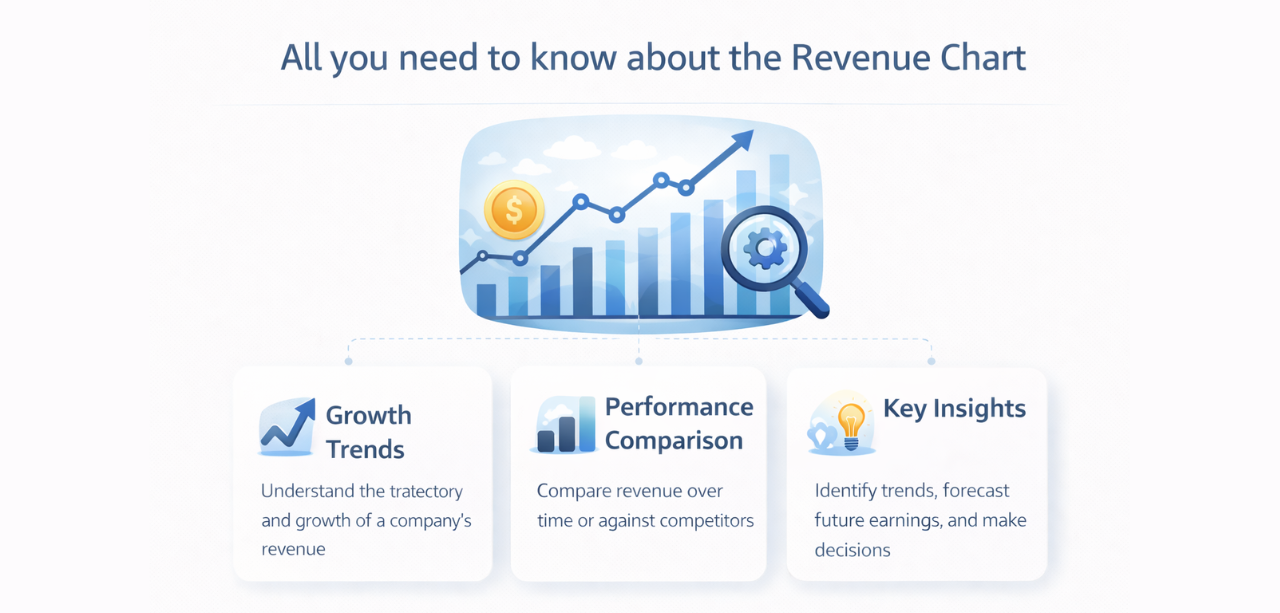
All you need to know about the revenue chart
Introduction Every business wants to grow. But wanting growth and actually measuring it are two very different things. That’s where a revenue growth chart comes in. Whether you’re a startup founder trying to hit your first $1M in revenue or a finance analyst presenting quarterly results to a board, a revenue growth chart gives you […]
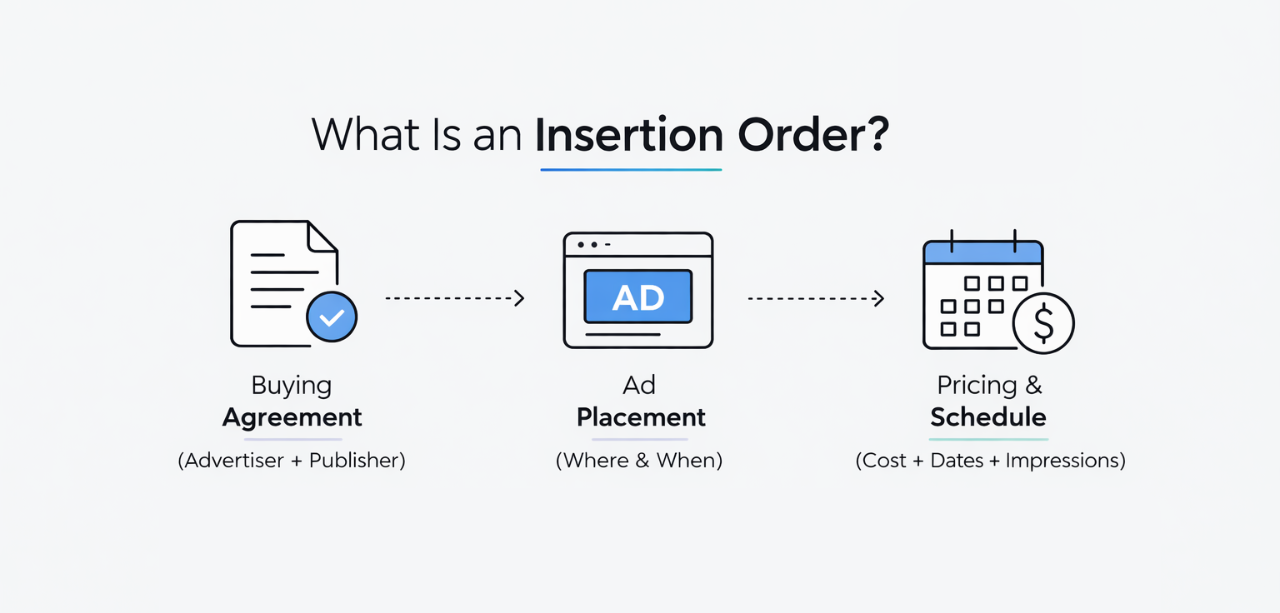
What Is an Insertion Order? A Complete Guide for Modern Advertising and Marketing Teams
In the fast-paced world of digital marketing, where millions of ads are bought and sold in milliseconds via algorithms, it’s easy to think that “handshake deals” have gone entirely digital. But when you’re moving significant budgets—whether it’s a $5,000 localized campaign or a $500,000 national takeover—you need more than just a “settings saved” notification. You […]
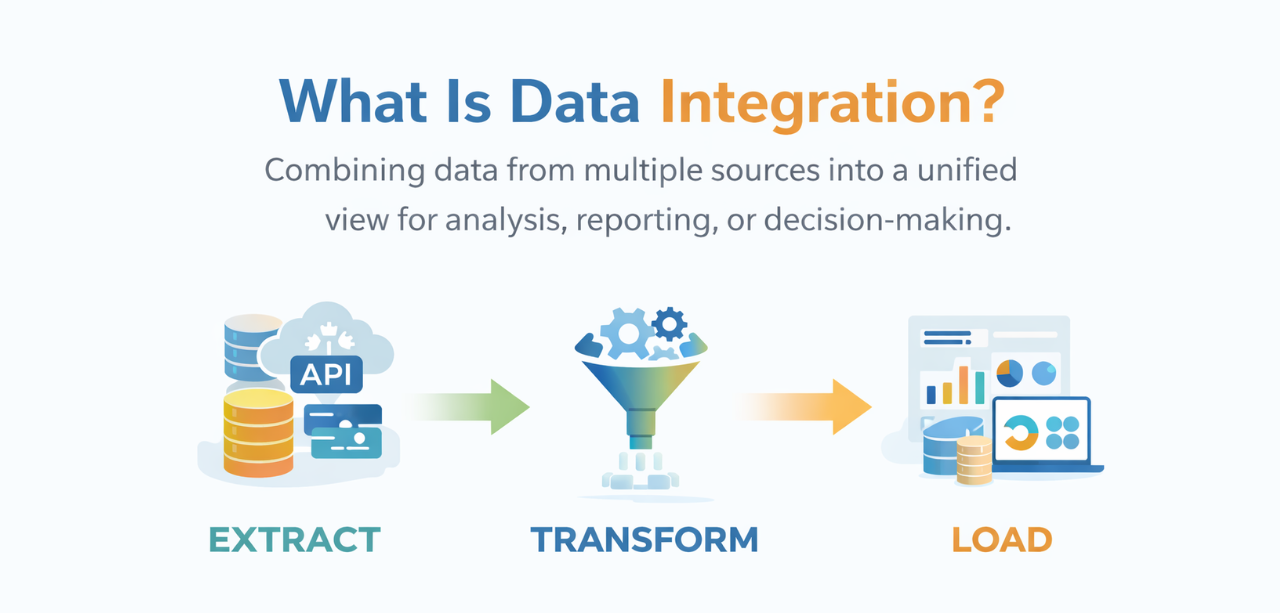
What Is Data Integration? A Complete Guide for 2026
Introduction Your sales team uses Salesforce. Your marketing team relies on HubSpot. Your finance department lives in QuickBooks. And your customer data? It’s scattered across all three—plus a dozen other systems. Sound familiar? This is the reality for most modern businesses. Data silos aren’t just inconvenient—they cost companies millions in lost insights, duplicated efforts, and […]
Ready to Transform Your Advertising Strategy?
Join thousands of advertisers who trust Performoo to optimize their campaigns and maximize revenue.