Why Advertisers Need Data Harmonization to Fix Fragmented Ad Data

Running ads across Google, Meta, TikTok, and other platforms? Your data is probably a mess. Each platform uses different naming conventions, tracks conversions differently, and reports metrics at varying levels. Data harmonization fixes this chaos transforming scattered, inconsistent ad data into a unified format that drives confident campaign decisions.
What is Data Harmonization?
Data harmonization is the systematic process of converting disparate data into a consistent, compatible format. For advertisers, this means aligning metrics from Google Ads, Meta, analytics tools, and CRM systems so performance comparisons are accurate and actionable.
This involves standardizing:
- Platform naming (Google’s “Campaigns” vs Meta’s “Ad Sets”)
- Conversion definitions (what counts as a conversion on each platform)
- Metric levels (campaign-level vs ad-level vs creative-level data)
- Date formats and time zones across different reporting systems
- Currency and cost structures for multi-market campaigns
Why Ad Data Harmonization Matters
Without harmonization, advertisers face daily headaches:
- Fragmented reporting (manually comparing Google Sheets, Meta dashboards, GA4)
- Misleading comparisons (mixing campaign-level and creative-level metrics)
- Attribution confusion (different platforms claiming credit for the same conversion)
- Slow optimization (days spent reconciling data instead of improving ads)
- Budget waste (can’t accurately identify what’s working across platforms)
With harmonization, you gain:
- Faster campaign optimization (from days to hours)
- Cleaner, unified attribution across all channels
- Better budget allocation based on true performance
- Reduced reporting time for agencies and in-house teams
- A single source of truth for confident decisions
The Data Harmonization Process for Advertisers
1. Connect Your Data Sources
Pull data from Google Ads, Meta Ads, TikTok, LinkedIn, analytics platforms, and your CRM into one place.
2. Standardize Naming Conventions
Map “Facebook Campaigns” to “Meta Campaigns,” align UTM parameters, and create consistent naming rules across platforms.
3. Align Conversion Definitions
Define what a “conversion” means across all platforms. Is it a purchase? A lead form? A 30-second video view? Make it consistent.
4. Unify Metric Levels
Ensure you’re comparing apples to apples—campaign to campaign, not campaign to creative.
5. Clean and Validate
Remove duplicates, fix time zone mismatches, and validate that your data matches platform sources.
6. Automate and Monitor
Set up automated data pipelines so harmonization happens continuously as new campaign data flows in.
Real-World Impact for Advertisers
Campaign Optimization
Instead of waiting weeks to see which platform performs best, harmonized data shows real-time cross-platform performance. Shift budgets from underperforming Meta campaigns to high-performing Google campaigns in hours, not days.
Attribution Clarity
When Google Ads and Meta both claim credit for the same conversion, harmonized data reveals the true customer journey. You’ll know which touchpoints actually drive results.
Agency Efficiency
Marketing agencies spend 40-60% of their time on reporting. With harmonized data, that drops to minutes freeing teams to focus on strategy and creative instead of spreadsheets.
Multi-Platform Testing
Test creative across Google, Meta, and TikTok simultaneously. Harmonized metrics show which ad variations work best across all platforms, not just within each silo.
Common Ad Data Challenges and Solutions
Challenge: Google Ads shows conversions by campaign, but Meta reports by ad set—comparison is impossible. Solution: Harmonize both to the same hierarchical level, mapping Meta ad sets to Google campaigns based on your naming structure.
Challenge: Each platform defines “click” differently (landing page click vs. link click vs. outbound click). Solution: Create standardized definitions in your harmonized dataset, clearly documenting what each metric means.
Challenge: Time zone differences make daily performance tracking confusing. Solution: Standardize all data to one time zone (typically UTC or your primary market’s time zone).
Challenge: Multiple team members pulling reports manually creates version control chaos. Solution: Automate harmonization so everyone works from the same updated dataset.
Key Technologies for Ad Data Harmonization
Data Integration Platforms: Connect APIs from advertising platforms, analytics tools, and CRM systems.
ETL Tools: Extract data from platforms, transform it to match your standards, and load it into a unified dashboard.
Data Warehouses: Store harmonized data for historical analysis and trend identification.
Automated Reporting Tools: Platforms like Performoo harmonize ad data automatically, reducing manual work while maintaining accuracy.
READ ALSO:- Understanding Ad-Tech
Best Practices for Advertisers
- Define Standard Metrics Early: Before connecting platforms, decide how you’ll measure success consistently.
- Document Your Naming Conventions: Create a style guide for campaign names, UTM parameters, and conversion events.
- Automate Where Possible: Manual harmonization doesn’t scale. Use tools that handle data standardization automatically.
- Validate Regularly: Spot-check harmonized data against platform sources to catch any mapping errors.
- Train Your Team: Ensure everyone understands what harmonized metrics represent and how to interpret them.
Data Harmonization vs. Integration
Data Integration pulls data from multiple platforms into one place (like a spreadsheet or dashboard).
Data Harmonization goes further by standardizing that data—fixing naming mismatches, aligning conversion definitions, and ensuring accurate cross-platform comparisons.
You need both: integration gets the data in one place; harmonization makes it usable.
READ ALSO:- Aggregated vs Non-Aggregated Data
The Modern Approach
Today’s advertisers can’t afford to waste time on manual data wrangling. Platforms like Performoo rely on harmonized data to deliver clearer insights, reduce reporting friction, and help advertisers focus on performance instead of spreadsheets.
By automatically standardizing data across Google Ads, Meta, and other platforms, modern tools eliminate the reconciliation headache—so you can spend time optimizing campaigns, not fixing data.
The Bottom Line
Data harmonization transforms fragmented ad data into a strategic advantage. By creating a unified view across all your advertising platforms, you accelerate optimization, improve attribution, and make budget decisions with confidence.
Whether you’re running campaigns across two platforms or twenty, harmonized data is no longer optional it’s essential for staying competitive in 2026.
Related Articles
Continue your learning journey with these related insights

How to Scale Your Business Using Performoo’s automation
Growing a business is exciting but doing it manually is exhausting. As your campaigns multiply, your ad spend increases, and your customer base expands, the old ways of managing everything by hand start to crack. Spreadsheets pile up. Teams burn out. Opportunities slip through the cracks. This is exactly why smart businesses are turning to […]
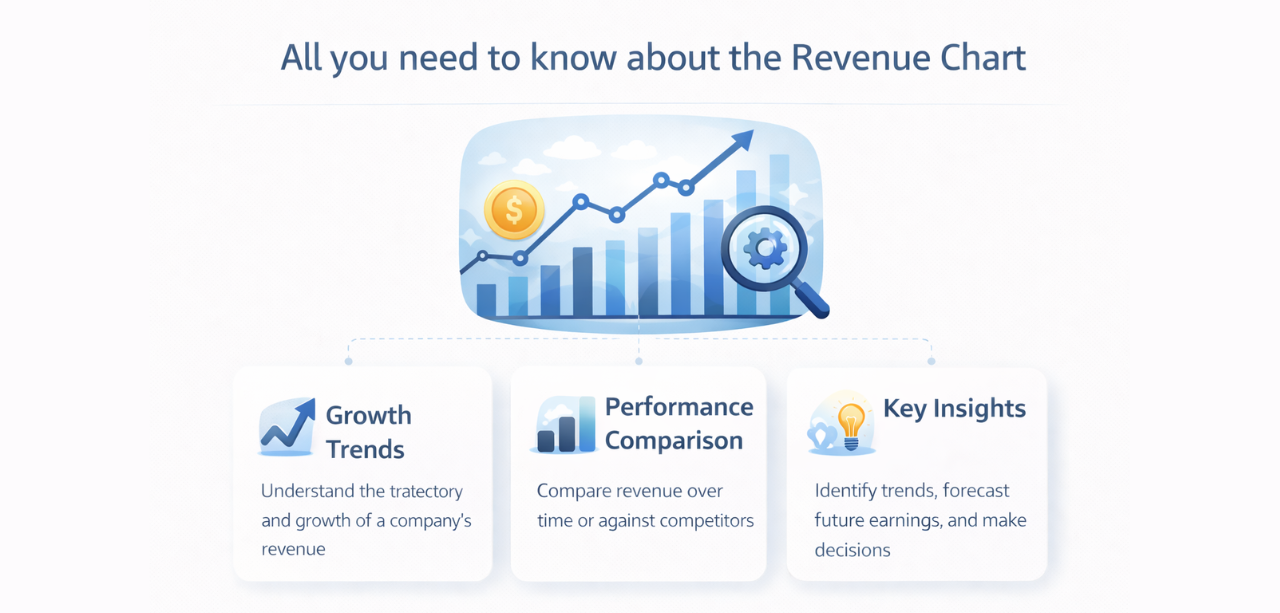
All you need to know about the revenue chart
Introduction Every business wants to grow. But wanting growth and actually measuring it are two very different things. That’s where a revenue growth chart comes in. Whether you’re a startup founder trying to hit your first $1M in revenue or a finance analyst presenting quarterly results to a board, a revenue growth chart gives you […]
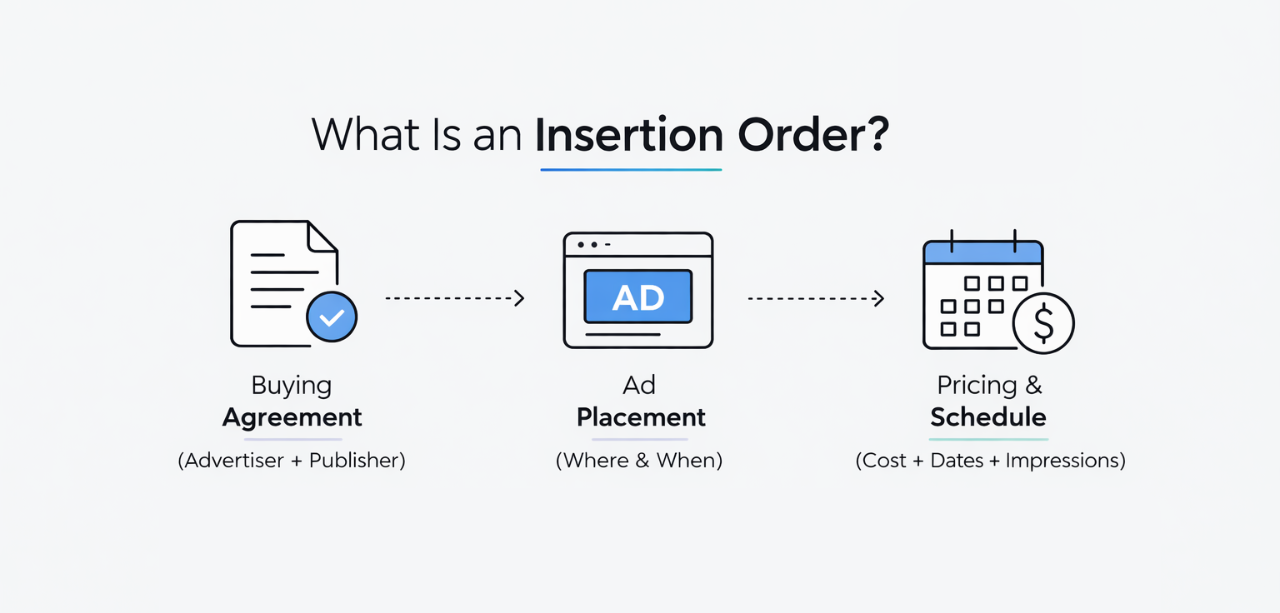
What Is an Insertion Order? A Complete Guide for Modern Advertising and Marketing Teams
In the fast-paced world of digital marketing, where millions of ads are bought and sold in milliseconds via algorithms, it’s easy to think that “handshake deals” have gone entirely digital. But when you’re moving significant budgets—whether it’s a $5,000 localized campaign or a $500,000 national takeover—you need more than just a “settings saved” notification. You […]
Ready to Transform Your Advertising Strategy?
Join thousands of advertisers who trust Performoo to optimize their campaigns and maximize revenue.