The Trade Desk vs DV360

Choosing between The Trade Desk and Google’s Display & Video 360 (DV360) is one of the most critical decisions digital advertisers face when building their programmatic advertising strategy. Both platforms dominate the demand-side platform (DSP) market, yet they serve fundamentally different approaches to media buying.
This comprehensive guide breaks down every aspect of both platforms—from pricing transparency and inventory access to AI capabilities and reporting—helping you make an informed decision based on your specific advertising needs.
What Are The Trade Desk and DV360?
The Trade Desk Overview
The Trade Desk (TTD) is an independent, publicly-traded DSP founded in 2009 that has become the leading platform for agencies and advertisers seeking control and transparency in programmatic advertising. The platform operates across the open internet, providing access to multiple ad exchanges, publishers, and inventory sources without favoring any particular ecosystem.
Key characteristics:
- Independent platform (not owned by Google, Amazon, or other walled gardens)
- Transparent cost-plus pricing model
- Extensive third-party data integrations
- Strong focus on connected TV (CTV) and emerging channels
- Minimum spend requirements (typically $300K-$1M monthly)
DV360 Overview
Display & Video 360 is Google’s enterprise-level DSP, integrated within the Google Marketing Platform suite. Launched in 2018 as the successor to DoubleClick Bid Manager, DV360 gives advertisers direct access to Google’s vast inventory ecosystem including YouTube, Google Display Network, and millions of partner sites.
Key characteristics:
- Part of Google’s marketing ecosystem
- Seamless integration with Google Analytics, Campaign Manager, and Search Ads
- Access to exclusive Google inventory
- Bundled pricing structure
- Lower minimum spend requirements compared to TTD
Detailed Feature Comparison
1. Transparency and Pricing Structure
The Trade Desk Pricing Model
The Trade Desk operates on a transparent cost-plus model where advertisers can see exactly how their budget is allocated. The platform typically charges around 20% of media spend as a platform fee, which covers access to technology, reporting tools, and optimization features.
Pricing breakdown:
- Platform fee: ~20% of media spend
- Media costs: Clearly separated and visible
- Data costs: Third-party data charges added as separate CPMs
- Additional features: Charges for lookalike modeling, cross-device targeting (some enabled by default)
- Minimum spend: $300K-$1M monthly depending on market and agreement
The transparency means you can identify exactly where every dollar goes, making it easier to optimize spending and negotiate with stakeholders.
DV360 Pricing Model
DV360 uses a bundled pricing approach where platform fees are incorporated into the total media cost. Advertisers choose between two primary models:
- CPM-based pricing: Pay per thousand impressions with fees bundled in
- Total media cost markup: All expenses including fees bundled together
Pricing considerations:
- Platform fee: Estimated 15-20% (not disclosed separately)
- Third-party data: Additional CPMs added to base media costs
- Advanced features: Dynamic creative optimization and measurement tools may incur extra charges
- Minimum spend: More flexible, accessible to smaller advertisers
The bundled approach simplifies budgeting but makes it harder to identify exactly what you’re paying for technology versus media.
Verdict: The Trade Desk wins on transparency. If you need clear cost visibility and detailed budget control, TTD is superior. DV360 offers simplicity but less clarity.
2. Inventory Access and Media Reach
The Trade Desk Inventory
TTD provides unrestricted access to the open internet through partnerships with virtually every major ad exchange and supply-side platform (SSP). This open-market approach means advertisers can reach audiences wherever they exist online.
Inventory strengths:
- Access to 500+ ad exchanges and SSPs globally
- Premium inventory through private marketplace (PMP) deals
- Leading position in connected TV (CTV) with partnerships across streaming platforms
- Strong presence in digital audio, display, native, mobile, and digital out-of-home (DOOH)
- No preference for specific publishers or platforms
- International reach across 190+ countries
DV360 Inventory
DV360’s primary advantage is privileged access to Google’s owned-and-operated properties, which represent some of the largest digital real estate on the internet.
Inventory strengths:
- Exclusive access to YouTube advertising inventory
- Google Display Network (GDN) with millions of partner sites
- Google Ad Manager premium publisher inventory
- Integration with Google Search campaigns
- Access to third-party exchanges (though less emphasized)
- Gmail and Google properties
- International reach through Google’s global infrastructure
Important limitation: DV360’s third-party inventory access is less competitive compared to TTD, and the platform naturally prioritizes Google properties.
Verdict: Choose based on your inventory needs. DV360 is unbeatable for YouTube and Google properties. The Trade Desk offers superior access to the open web, CTV, and non-Google premium inventory.
3. Data Integration and Audience Targeting
The Trade Desk Data Capabilities
TTD’s open architecture allows integration with virtually any data provider, giving advertisers maximum flexibility in audience building and targeting strategies.
Data features:
- Integration with 200+ third-party data providers globally
- Support for first-party data onboarding and activation
- Unified ID 2.0 implementation for cookieless targeting
- Advanced lookalike modeling and predictive audiences
- Cross-device identity resolution
- Custom audience segmentation tools
- Real-time data refresh and activation
The platform’s data agnostic approach means you’re not locked into any single data ecosystem, allowing you to test different data sources and find the most effective targeting combinations.
DV360 Data Capabilities
DV360’s strength lies in Google’s proprietary first-party data, arguably the richest behavioral dataset in digital advertising.
Data features:
- Google’s first-party data from Search, YouTube, Gmail, Chrome, and Android
- Custom affinity audiences based on search and browsing behavior
- In-market audiences with purchase intent signals
- Customer Match for first-party data activation
- Audience Solutions for combining first and third-party data
- Integration with Google Analytics 360 for website behavior data
- Limited third-party data provider options compared to TTD
The Google data advantage is significant—you can target users based on actual search queries, YouTube watch history, and cross-platform behavior that no other DSP can match.
Verdict: Different strengths for different needs. DV360 wins if Google’s behavioral data aligns with your targeting strategy. The Trade Desk wins for flexibility, testing multiple data sources, and building complex custom audiences outside Google’s ecosystem.
4. Creative Capabilities and Formats
The Trade Desk Creative Options
TTD supports comprehensive creative formats across all channels but relies on external partners for dynamic creative optimization.
Creative features:
- Support for display, video, native, audio, and CTV creatives
- Integration with major creative platforms for dynamic ads
- Custom creative testing and optimization
- A/B testing capabilities across formats
- Third-party creative tool compatibility
- Flexible creative specifications for different inventory sources
The platform’s open approach means you can use best-in-class creative tools rather than being restricted to proprietary solutions.
DV360 Creative Options
DV360 offers built-in creative tools optimized for Google’s ecosystem, with particular strength in dynamic and personalized ad serving.
Creative features:
- Native Dynamic Creative Optimization (DCO) for real-time personalization
- Integration with Google Web Designer for interactive ads
- Creative Studio for building and managing ad creative
- YouTube-specific interactive and bumper ad formats
- Automated creative optimization based on performance
- Support for rich media and high-impact formats
- Seamless creative testing across Google properties
The integrated creative workflow reduces complexity and time-to-market, especially for campaigns running across Google’s properties.
Verdict: DV360 offers more integrated creative solutions, especially for YouTube and dynamic optimization. The Trade Desk provides greater flexibility and access to best-in-class external creative platforms.
5. Artificial Intelligence and Optimization
The Trade Desk: Koa™ AI Engine
Koa is TTD’s proprietary AI engine that powers bidding, optimization, and audience targeting decisions across billions of daily ad opportunities.
AI capabilities:
- Real-time bidding optimization across all inventory sources
- Predictive audience modeling and expansion
- Cross-channel performance optimization
- Automated budget allocation based on performance
- Customizable optimization goals and constraints
- Transparent AI decision-making (you maintain control)
Koa’s key differentiator is that it optimizes for advertiser goals, not platform goals, since TTD doesn’t own any inventory or compete with advertisers.
DV360: Google’s AI and Automation
DV360 leverages Google’s broader AI infrastructure, including technologies powering Search and YouTube.
AI capabilities:
- Smart Bidding with automated bid optimization
- Automated audience expansion based on seed audiences
- Performance Max-style automated campaign types
- Cross-channel attribution modeling
- Predictive performance forecasting
- Integration with Google’s broader machine learning ecosystem
Google’s AI has more training data across more users, but some advertisers find the automation less transparent and harder to control.
Verdict: Both platforms offer powerful AI. The Trade Desk provides more manual control and transparency in AI decisions. DV360 offers deeper automation but less visibility into how decisions are made.
6. Reporting, Analytics, and Attribution
The Trade Desk Reporting
TTD emphasizes data ownership and customization, giving advertisers complete control over their performance data.
Reporting features:
- Fully customizable reporting dashboards
- Real-time performance data across all channels
- Multi-touch attribution (MTA) modeling
- Cross-channel performance views
- Raw data export for external analysis
- API access for custom reporting solutions
- Third-party verification tool integration
- Granular inventory source performance data
Advertisers own their data completely and can analyze it outside the platform without restrictions.
DV360 Reporting
DV360’s reporting strength comes from deep integration with Google’s analytics and attribution tools.
Reporting features:
- Integration with Google Analytics 360 for unified web analytics
- Campaign Manager 360 for cross-channel reporting
- Data-Driven Attribution (DDA) models
- Real-time dashboards with Google Data Studio integration
- Cross-Google-property performance views
- YouTube-specific engagement metrics
- Automated reporting schedules
- Custom report building within Google ecosystem
The integrated approach provides powerful insights within Google’s ecosystem but makes external analysis more difficult.
Verdict: The Trade Desk wins for data ownership, export flexibility, and custom analysis. DV360 wins for integrated Google ecosystem reporting and attribution modeling across Google properties.
7. User Interface and Learning Curve
The Trade Desk Platform Experience
TTD’s interface is purpose-built for programmatic advertising professionals and offers extensive control over campaign parameters.
User experience:
- Professional-grade interface with comprehensive controls
- Steeper learning curve for new users
- Extensive documentation and training resources
- Intuitive campaign building once familiar
- Advanced users appreciate granular control
- Regular platform updates and feature additions
Most agencies and experienced traders prefer TTD’s interface once they’ve mastered it, but it requires training investment.
DV360 Platform Experience
DV360’s interface aligns with other Google Marketing Platform products, offering familiarity for existing Google users.
User experience:
- Cleaner, more streamlined interface
- Easier onboarding for Google Ads users
- Less granular control compared to TTD
- More automation, less manual setup required
- Integration with familiar Google products
- Consistent design language across Google tools
DV360 is generally easier to learn for small teams or those already using Google products.
Verdict: DV360 has a gentler learning curve and better suits smaller teams. The Trade Desk offers more control but requires greater expertise.
8. Support and Customer Service
The Trade Desk Support
TTD is known for strong customer support, especially for larger clients and agencies.
Support offerings:
- Dedicated account management for qualified clients
- 24/7 technical support
- Regular business reviews and optimization recommendations
- Extensive training programs and certifications
- Active community and knowledge base
- Proactive platform updates and communications
Support quality often depends on your spend level and partnership tier.
DV360 Support
Google’s support model varies significantly based on whether you’re accessing DV360 through a partner or directly.
Support offerings:
- Support through Google Marketing Platform support channels
- Partner-dependent service levels (many access DV360 through agencies)
- Documentation through Google Support Center
- Community forums and help articles
- Training through Google Academy
- Enterprise clients receive dedicated support
Direct Google support can be challenging for smaller advertisers without agency partnerships.
Verdict: The Trade Desk generally provides more consistent, hands-on support. DV360’s support quality depends heavily on how you access the platform.
Use Case Scenarios: Which Platform Fits Your Needs?
Choose The Trade Desk If You:
- Prioritize transparency in costs and need to justify spending to stakeholders
- Run multi-channel campaigns across CTV, audio, display, and open web inventory
- Need flexibility in data providers and aren’t locked into Google’s ecosystem
- Have experienced teams that can leverage advanced platform controls
- Focus on CTV advertising where TTD leads the market
- Require data ownership and export capabilities for external analysis
- Have sufficient budget to meet minimum spend requirements ($300K+ monthly)
- Value independence from walled gardens and ecosystem conflicts
Choose DV360 If You:
- Heavily invest in YouTube advertising and need direct access
- Already use Google Marketing Platform tools extensively
- Rely on Google’s first-party data for audience targeting
- Have smaller budgets below TTD’s minimum thresholds
- Need simplified workflow with automated optimization
- Prioritize Google property access over open web reach
- Want integrated attribution across Google Search, YouTube, and Display
- Prefer bundled solutions over managing multiple platform relationships
Consider Using Both Platforms If You:
Many sophisticated advertisers use both platforms strategically:
- DV360 for Google properties: YouTube, GDN, and campaigns leveraging Google data
- The Trade Desk for everything else: CTV, audio, premium open web inventory, and campaigns requiring third-party data flexibility
This dual-platform approach maximizes inventory access and data capabilities while leveraging each platform’s unique strengths.
Advanced Considerations
Privacy and Identity Solutions
The Trade Desk:
- Pioneered Unified ID 2.0 as a cookieless identity solution
- Open-source approach to identity resolution
- Supports multiple identity frameworks
- Proactive in post-cookie advertising strategies
DV360:
- Relies heavily on Google’s first-party logged-in data
- Privacy Sandbox integration
- Less dependent on third-party cookies due to Google data
- Potential competitive advantage as cookies deprecate
Brand Safety and Verification
Both platforms offer robust brand safety controls:
The Trade Desk:
- Integration with all major verification vendors (IAS, DoubleVerify, MOAT)
- Customizable block lists and allow lists
- Pre-bid filtering options
- Transparent inventory source visibility
DV360:
- Built-in Google brand safety controls
- Third-party verification tool integration
- YouTube’s safety measures for video inventory
- Integration with Google’s broader safety infrastructure
International Capabilities
The Trade Desk:
- Operates in 190+ countries
- Local currency support
- Regional data provider partnerships
- Local market expertise through global offices
DV360:
- Available globally through Google infrastructure
- Strong in markets where Google dominates
- Simplified international campaign setup
- Consistent experience across markets
Cost Analysis: Real-World Budget Scenarios
Scenario 1: $500K Monthly Media Budget
The Trade Desk:
- Media spend: $500,000
- Platform fee (20%): $100,000
- Total cost: $600,000
- Effective CPM impact: +20% (fully visible)
DV360:
- Media spend: $500,000
- Platform fee (~17% bundled): $85,000 (estimated, not disclosed)
- Total cost: $585,000
- Effective CPM impact: +17% (bundled, less visible)
Note: Actual costs vary based on negotiations, features used, and data costs.
Scenario 2: $100K Monthly Media Budget
The Trade Desk:
- Below typical minimum spend requirements
- May not be accessible or require special arrangement
DV360:
- Fully accessible
- More cost-effective option for smaller budgets
- Bundled pricing simplifies accounting
Performance Benchmarks
While platform performance depends heavily on campaign strategy, industry data suggests:
Brand awareness campaigns:
- Similar performance on both platforms
- DV360 slight edge for YouTube-centric strategies
- TTD advantage for multi-channel reach campaigns
Performance/conversion campaigns:
- DV360 benefits from Google’s conversion data integration
- TTD excels when using diverse data sources
- Results heavily depend on measurement approach
CTV campaigns:
- The Trade Desk generally considered stronger in CTV
- Broader streaming platform access
- More transparent CTV analytics
Making Your Final Decision
Questions to Ask Yourself:
- Budget: Do you meet The Trade Desk’s minimum spend requirements?
- Inventory priorities: Is YouTube/Google inventory critical to your strategy?
- Team expertise: Do you have experienced programmatic traders?
- Data strategy: Do you need flexibility in data providers?
- Transparency requirements: How important is cost visibility?
- Ecosystem: Are you already invested in Google Marketing Platform?
- Channel focus: How important is CTV to your strategy?
Decision Matrix:
Your PriorityRecommended PlatformYouTube advertisingDV360CTV advertisingThe Trade DeskCost transparencyThe Trade DeskEase of useDV360Data flexibilityThe Trade DeskGoogle ecosystem integrationDV360Open web reachThe Trade DeskLower budgetsDV360Advanced controlThe Trade DeskSimplified workflowDV360
Frequently Asked Questions
Can I use both platforms simultaneously?
Yes, many advertisers use both strategically—DV360 for Google properties and The Trade Desk for open web and CTV inventory. This requires coordination to avoid audience overlap and ensure efficient spending.
Which platform is better for beginners?
DV360 has a gentler learning curve, especially for teams already familiar with Google products. The Trade Desk requires more training investment but offers greater long-term control.
How do minimum spend requirements work?
The Trade Desk typically requires $300K-$1M monthly media spend. DV360 has no hard minimum, making it accessible to smaller advertisers.
Can I move campaigns between platforms?
Campaign structures don’t directly transfer, but you can replicate strategies. Data integrations, creatives, and learnings are generally portable with some configuration.
Which platform has better customer support?
The Trade Desk is known for strong direct support for qualifying clients. DV360’s support quality varies based on whether you access it through an agency partner or directly.
How do the platforms handle data privacy?
Both are adapting to cookieless advertising. The Trade Desk leads with Unified ID 2.0, while DV360 leverages Google’s first-party data advantage.
Which is better for small businesses?
DV360 is more accessible for small businesses due to lower minimums and easier onboarding. Most small businesses can’t meet TTD’s spend thresholds.
Can I negotiate pricing on either platform?
Some flexibility exists on both platforms, especially for larger spends. The Trade Desk’s pricing is more transparent and potentially negotiable for large commitments.
READ ALSO:- What Is Direct Marketing?
Conclusion
Both The Trade Desk and DV360 are industry-leading DSPs with distinct strengths. Your choice should align with your strategic priorities, budget, team capabilities, and inventory needs.
Choose The Trade Desk if you value transparency, need flexibility across data and inventory sources, focus on CTV, and have the budget and expertise to leverage its advanced capabilities.
Choose DV360 if YouTube and Google properties are central to your strategy, you need simplified workflow within the Google ecosystem, or you have budget constraints that prevent accessing TTD.
Consider both platforms if you have sufficient budget and want to maximize inventory access while leveraging each platform’s unique advantages.
The programmatic advertising landscape continues evolving rapidly. Whichever platform you choose, success depends on clear strategy, ongoing optimization, and deep understanding of your target audiences. Both platforms provide the tools—your expertise determines the results.
Related Articles
Continue your learning journey with these related insights
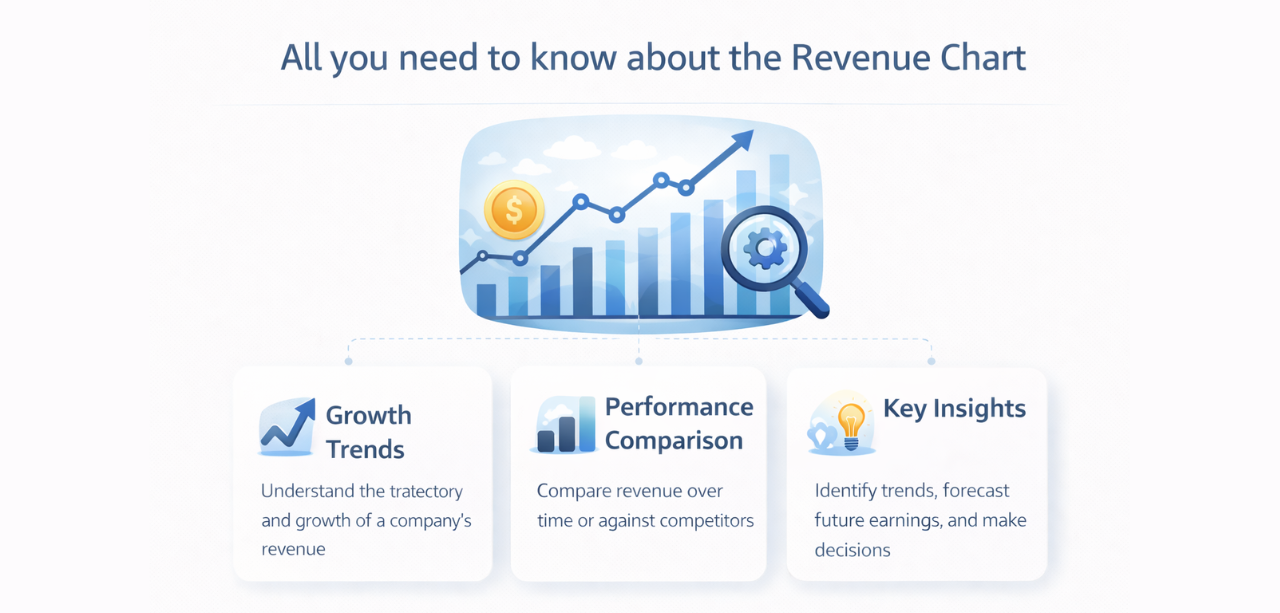
All you need to know about the revenue chart
Introduction Every business wants to grow. But wanting growth and actually measuring it are two very different things. That’s where a revenue growth chart comes in. Whether you’re a startup founder trying to hit your first $1M in revenue or a finance analyst presenting quarterly results to a board, a revenue growth chart gives you […]
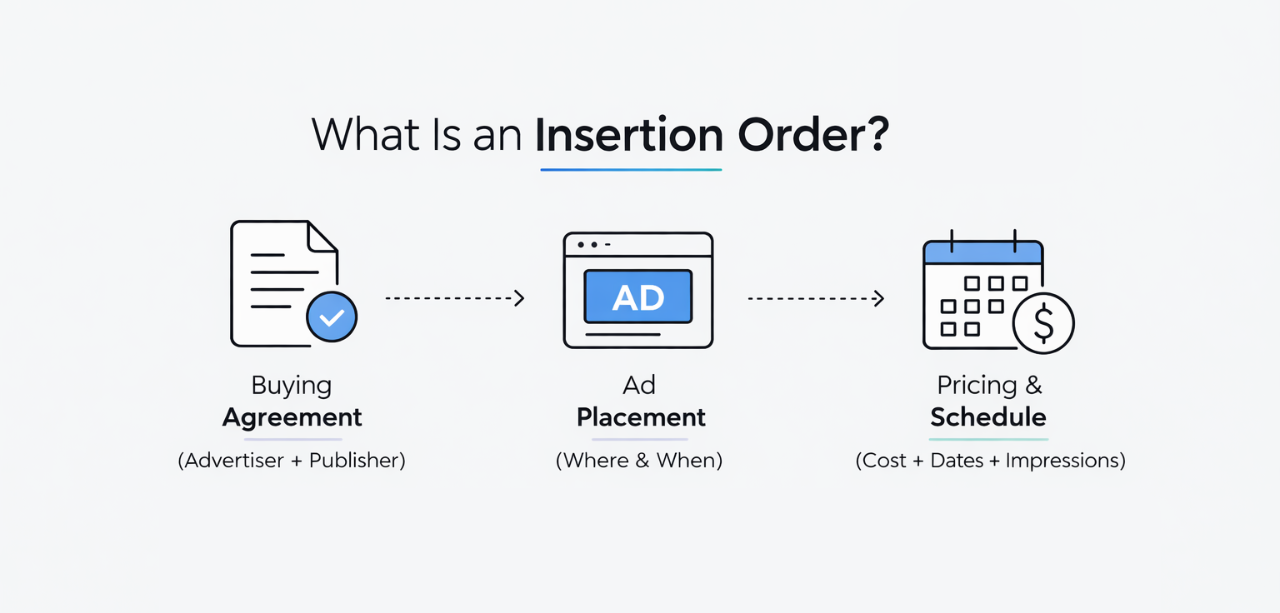
What Is an Insertion Order? A Complete Guide for Modern Advertising and Marketing Teams
In the fast-paced world of digital marketing, where millions of ads are bought and sold in milliseconds via algorithms, it’s easy to think that “handshake deals” have gone entirely digital. But when you’re moving significant budgets—whether it’s a $5,000 localized campaign or a $500,000 national takeover—you need more than just a “settings saved” notification. You […]
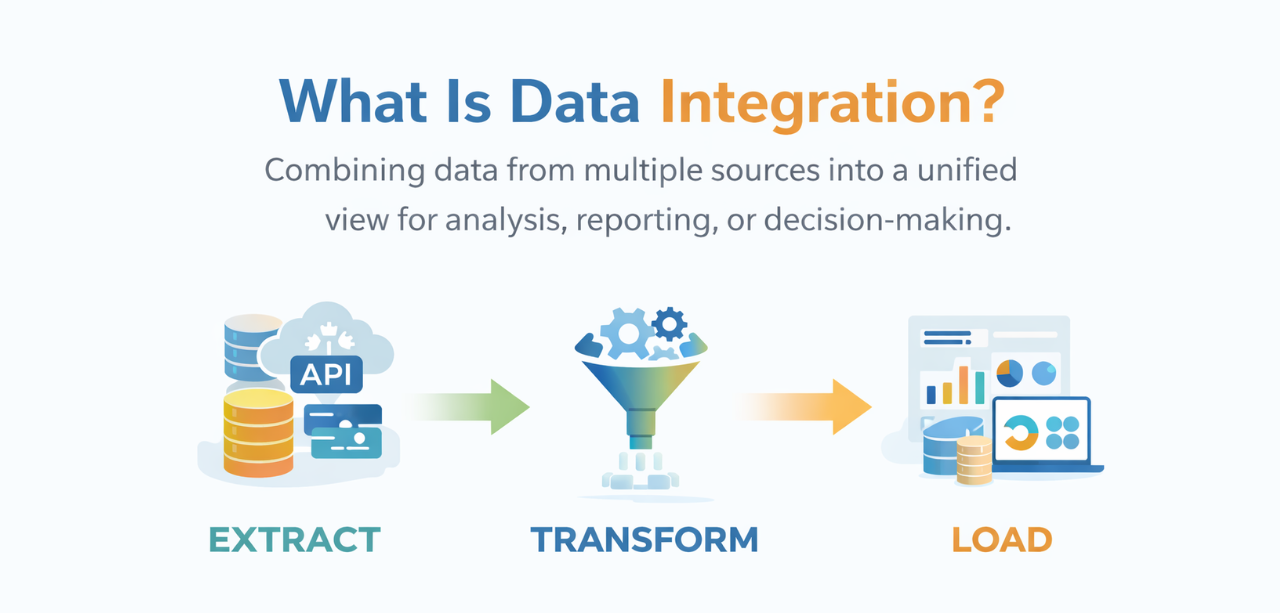
What Is Data Integration? A Complete Guide for 2026
Introduction Your sales team uses Salesforce. Your marketing team relies on HubSpot. Your finance department lives in QuickBooks. And your customer data? It’s scattered across all three—plus a dozen other systems. Sound familiar? This is the reality for most modern businesses. Data silos aren’t just inconvenient—they cost companies millions in lost insights, duplicated efforts, and […]
Ready to Transform Your Advertising Strategy?
Join thousands of advertisers who trust Performoo to optimize their campaigns and maximize revenue.