Interactive Video Advertising: The Future of Digital Marketing in 2025

Imagine watching an ad and actually doing something inside it — clicking a product, answering a poll, exploring a storyline. That’s not the future. That’s interactive video advertising, and it’s happening right now.
Traditional video ads were a one-way broadcast. Brands spoke; audiences watched — or skipped. Today’s consumers expect more. They want relevance, control, and experiences that feel personal. Brands that are catching on are seeing results that passive video simply can’t deliver. In fact, interactive video ads generate up to 3× more engagement than standard video content, according to recent industry benchmarks.
If your video advertising strategy still relies on static, non-clickable content, you’re leaving significant conversions on the table. This guide breaks down everything you need to know.
What Is Interactive Video Advertising?
Interactive video advertising is a format that allows viewers to actively engage with video content rather than passively consume it. Unlike traditional video ads that play from start to finish with no viewer input, interactive ads embed clickable elements, decision points, and real-time actions directly into the video experience.
These elements can include:
- Clickable CTAs — buttons placed within the video that drive direct action
- Polls and quizzes — viewers answer questions while the ad plays
- Product tagging — viewers tap a product shown on screen and instantly shop
- Branching narratives — viewers choose their own story path
- 360° video — immersive environments viewers can explore
- Gamification — mini-games or challenges embedded within the ad
The core difference? Traditional ads tell a story. Interactive video ads involve the viewer in one.
Why Interactive Video Ads Are Growing Fast
The shift toward interactive ad campaigns isn’t just a trend — it’s a response to changing consumer behavior and measurable performance gaps between passive and interactive formats.
Here’s why brands are making the switch:
- Higher engagement rates: Interactive videos see click-through rates of 10–11%, compared to 1–2% for standard display ads.
- Better conversion rates: Viewers who interact with an ad are far more likely to complete a purchase journey.
- Improved watch time: When viewers have something to do, they stay. Interactive content boosts average view duration by up to 47%.
- Personalized experience: Ads that respond to viewer choices feel tailor-made — and personalization is now an expectation, not a bonus.
- Richer data collection: Every click, choice, and interaction generates first-party behavioral data advertisers can use to refine targeting.
For any serious video advertising strategy in 2025, interactivity isn’t optional. It’s the competitive baseline.
Types of Interactive Video Advertising
Not all interactive ads are built the same. Here’s a breakdown of the most effective formats:
1. Shoppable Video Ads
Shoppable video ads embed product tags directly into the footage. Viewers can tap a jacket, a sneaker, or a skincare product mid-video and purchase it without ever leaving the platform. These are especially powerful on Instagram, TikTok, and e-commerce platforms.
2. Clickable Product Ads
Clickable overlays appear during the video, prompting users to explore product pages, request demos, or download an app. Clean, well-timed overlays feel helpful rather than intrusive.
3. Poll-Based Ads
Brands ask viewers a question — “Which color do you prefer?” or “What’s your biggest challenge?” — and tailor the rest of the ad based on the answer. Polls drive both engagement and insight.
4. 360° Interactive Videos
Viewers drag and explore an immersive environment — ideal for travel brands, automotive campaigns, or real estate marketing. These experiences are deeply memorable.
5. Gamified Video Ads
Mini-challenges, spin-to-win mechanics, or interactive puzzles within an ad create a dopamine-driven experience that significantly boosts brand recall.
6. Interactive Storytelling Campaigns
Branching video narratives let viewers make choices that shape the story’s outcome. Netflix popularized this format with Bandersnatch, and advertisers have adopted it for campaigns that feel like entertainment.
Benefits of Interactive Video Advertising for Businesses
For businesses investing in video engagement marketing, the returns are hard to ignore:
- Increased ROI — higher engagement directly correlates with better return on ad spend
- Better audience retention — viewers who interact stay longer, lowering bounce rates
- Higher click-through rates — embedded CTAs convert within the moment of interest
- Stronger brand recall — active participation creates memory traces passive viewing doesn’t
- Greater purchase intent — interactive formats build emotional investment in the product
- Deeper customer insights — interaction data reveals genuine preferences and pain points
Businesses that make the transition to interactive formats consistently report measurable lifts across their entire funnel — from awareness to conversion.
How AI Is Transforming Interactive Video Advertising
Artificial intelligence is the engine making interactive video advertising faster, smarter, and more scalable than ever before.
Here’s where AI makes the biggest impact:
- Ad personalization at scale: AI analyzes user data — demographics, browsing behavior, purchase history — and delivers a version of the video ad most likely to resonate with that specific viewer.
- Automated ad creation: What once took production teams weeks can now be generated in hours. AI tools can produce multiple ad variations, adapt scripts, swap visuals, and optimize messaging automatically.
- Intelligent audience targeting: Machine learning continuously refines who sees your ads and when, improving relevance and reducing wasted spend.
- Performance optimization: AI monitors real-time performance data and makes dynamic adjustments — pausing underperforming variants, scaling winning ones.
Modern AI-powered advertising platforms are at the forefront of this shift, helping brands create engaging, high-converting interactive video campaigns faster and more efficiently — without the overhead of traditional production pipelines. Whether you’re a startup or an enterprise brand, today’s AI ad tools streamline the entire process from concept to campaign launch, enabling truly personalized video advertising at scale.
Best Platforms for Interactive Video Advertising
Where you run your interactive video ads matters as much as how you build them. The best platforms in 2025 include:
| Platform | Best For |
|---|---|
| YouTube | Long-form storytelling, product demos, brand awareness |
| Instagram & Facebook | Shoppable video ads, story polls, Reels interaction |
| TikTok | Gamified ads, challenges, Gen Z engagement |
| Connected TV (CTV) | Premium audiences, brand campaigns, QR-driven interaction |
| OTT Platforms | Targeted reach during streaming content |
| E-commerce Platforms | Shoppable video, checkout-integrated campaigns |
Choose your platform based on your audience’s habits — then build interactivity around the native behaviors of that environment.
Best Practices for Creating High-Converting Interactive Video Ads
1. Keep it short and punchy. Aim for 15–30 seconds for most formats. Get interactive elements on screen within the first 5 seconds.
2. Make CTAs crystal clear. Don’t make viewers guess what to do. “Tap to shop,” “Pick your style,” or “Answer to reveal” are direct and frictionless.
3. Optimize for mobile first. Over 70% of video content is consumed on mobile devices. Every interactive element must be thumb-friendly and load instantly.
4. Use AI for personalization. AI-powered ad tools allow you to generate multiple audience-specific versions of your ad — dramatically improving relevance without multiplying your workload.
5. Lead with storytelling. Interactivity should serve the narrative, not interrupt it. Build an emotional hook first; let the interaction deepen it.
6. A/B test relentlessly. Test different CTA placements, interaction types, and video lengths. Let data — not assumptions — drive your creative decisions.
Common Mistakes to Avoid
Even well-resourced brands stumble with interactive video. Watch out for these pitfalls:
- Overloading with interactions — too many clickable elements creates cognitive overload and decision fatigue
- Weak or buried CTAs — if viewers can’t find the action, they won’t take it
- Long loading times — any delay breaks immersion and spikes abandonment rates
- Ignoring mobile UX — desktop-designed interactions that break on phone screens are a campaign-killer
- No audience segmentation — running one generic version of an interactive ad to all audiences wastes its personalization potential
The best interactive video campaigns are disciplined — they do one or two things exceptionally well, rather than trying to do everything at once.
The Future of Interactive Video Advertising
The next wave of interactive video advertising is already forming. Here’s what’s coming:
- AI-generated video ads — fully automated, personalized video production at individual scale
- Real-time personalization — ads that adapt dynamically based on viewer behavior during playback
- AR/VR integration — augmented reality try-ons and immersive virtual showrooms embedded in ads
- Voice interaction — viewers speaking commands within ads, enabled by smart TV and voice assistant integration
- Interactive commerce experiences — end-to-end purchase journeys completed inside the video itself, with no platform switching required
Brands that invest in these capabilities now will have a significant head start when these formats become mainstream.
Conclusion
Interactive video advertising isn’t just a better way to run ads — it’s a fundamentally different relationship between brand and consumer. It transforms passive viewers into active participants, casual browsers into committed buyers, and one-time impressions into lasting brand connections.
The data is clear, the formats are proven, and the tools are now accessible to businesses of every size. Whether you’re launching your first shoppable video or scaling a full AI-powered interactive campaign, the opportunity has never been greater.
Today’s AI-powered advertising platforms are making it easier than ever for brands to create, personalize, and launch interactive video campaigns that actually perform. If you’re ready to move beyond passive advertising and build something your audience will genuinely engage with, now is the time to explore what AI-powered interactive video can do for your brand.
Frequently Asked Questions (FAQs)
Q: What is interactive video advertising?
Ans: Interactive video advertising is a digital ad format that allows viewers to engage directly with the video content through clickable elements, polls, product tags, branching storylines, and other in-video actions — rather than simply watching passively.
Q: Are interactive video ads effective?
Ans: Yes. Interactive video ads consistently outperform traditional formats, delivering up to 3× higher engagement rates, significantly improved click-through rates, and stronger conversion performance across industries.
Q: How do interactive ads increase engagement?
Ans: Interactive ads give viewers something to do — a choice to make, a product to tap, a question to answer. This active participation keeps attention longer, creates a sense of personal relevance, and makes the brand experience more memorable.
Q: Can AI create interactive video ads?
Ans: Absolutely. AI-powered advertising platforms can automate video ad creation, generate personalized variations for different audience segments, optimize performance in real time, and dramatically reduce the time and cost of producing interactive campaigns.
Q: Which platform is best for interactive video campaigns?
Ans: The best platform depends on your audience. YouTube is ideal for longer storytelling formats. Instagram and TikTok excel for shoppable and gamified content. Connected TV (CTV) works well for premium, brand-focused campaigns. For e-commerce, embedding interactive video directly on product pages often delivers the highest conversion lift.
Other top blogs
Related Articles
Continue your learning journey with these related insights
What is DV360?
Display & Video 360 (DV360) is Google’s advanced advertising tool. It’s built for big companies and agencies that run many large digital ad campaigns. Think of DV360 as the main control center. It helps advertisers quickly buy and manage online ad space (called “inventory”) across almost all of the internet. DV360 isn’t just a place […]
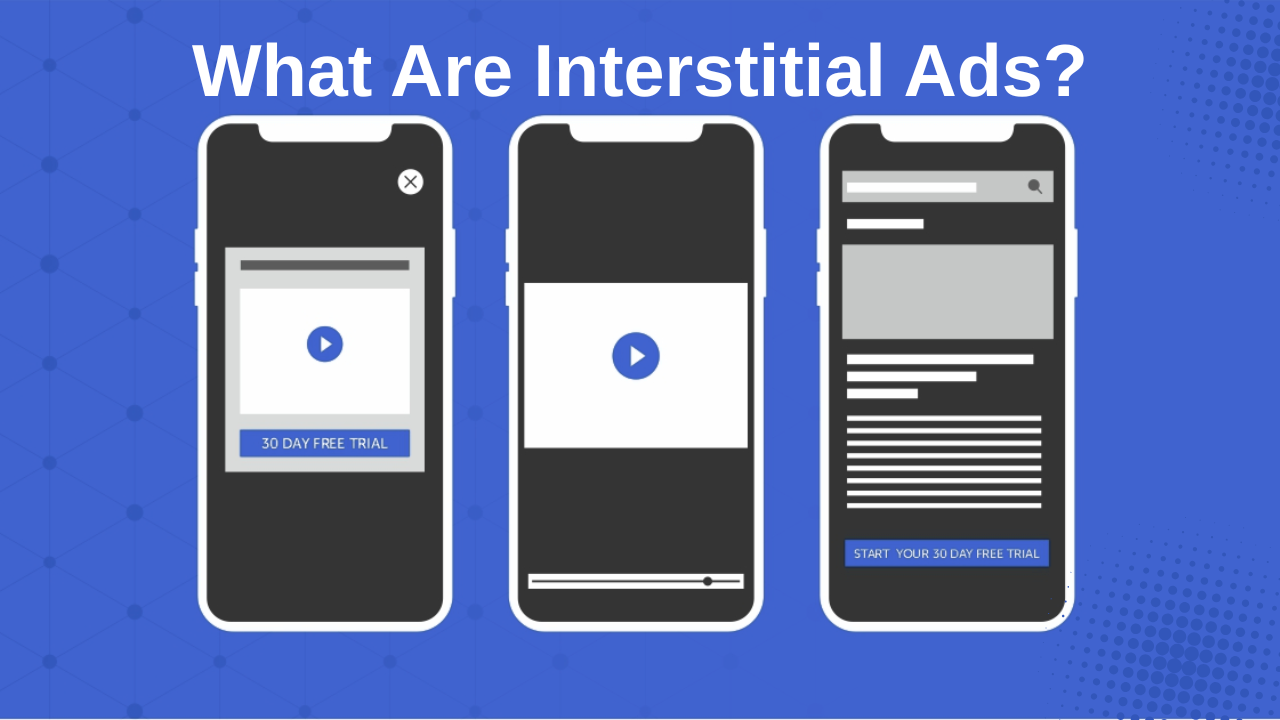
What Are Interstitial Ads and How Do They Influence App Marketing?
Interstitial ads are immersive, full-screen ads that appear within mobile apps, typically during natural pauses, such as between game levels or while loading the content. They appear at natural points of transition in an app’s workflow, such as between game modes or upon completing an activity. If appropriately used, they are an effective tool in […]
Ready to Transform Your Advertising Strategy?
Join thousands of advertisers who trust Performoo to optimize their campaigns and maximize revenue.