How AI Improves Ad Performance Without Increasing Budget
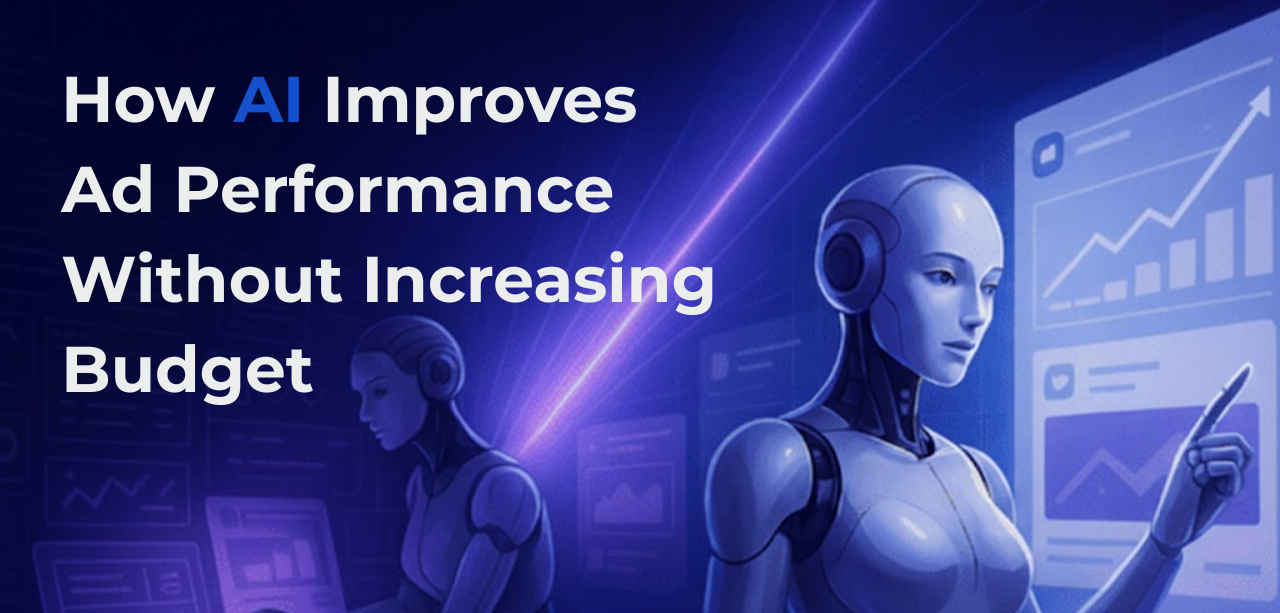
In the boardroom, the question is always the same: “How do we get better results without spending more?” For years, the answer seemed impossible. Better results meant bigger budgets, more headcount, or aggressive scaling that eventually hit diminishing returns.
Artificial intelligence has fundamentally changed this equation. Modern AI-powered platforms—like those processing billions of impressions monthly such as Performoo—can analyze millions of data points per second, identify invisible patterns, and optimize campaigns in real-time. The result? Companies are seeing 30-70% improvements in cost per acquisition and 2-3x conversion rate increases without spending an additional dollar.
The question isn’t whether AI can improve your ad performance. It’s how quickly you can implement it before competitors establish an insurmountable efficiency advantage.
Why AI Outperforms Manual Optimization
Before exploring specific applications, it’s worth understanding why machines fundamentally outperform even skilled human marketers in advertising optimization.
Processing Speed Beyond Human Capability
A talented media buyer might review campaign performance twice daily, analyzing dozens of metrics across multiple campaigns. This human analysis is valuable but inherently limited by time and cognitive bandwidth.
AI systems analyze performance continuously—evaluating thousands of variables every few seconds. They process click-through rates, conversion patterns, audience engagement, time-of-day performance, device behavior, creative fatigue indicators, and competitive dynamics simultaneously.
Consider a video ad campaign with five creative variations across three audience segments on four platforms. That’s 60 different performance combinations. An AI system evaluates all 60 every minute, identifying emerging patterns and making micro-adjustments before performance degradation even appears in your dashboard.
Pattern Recognition Across Massive Datasets
Human marketers excel at strategy and creativity but struggle to detect subtle patterns across millions of data points. Our brains simply aren’t built for it.
AI excels exactly where humans fail. Machine learning algorithms can identify that users aged 28-34 who engage with content on Tuesday afternoons between 2-4pm using iOS devices in suburban areas convert at 3.2x the average rate—a pattern no human would notice because it requires cross-referencing millions of impression-level data points.
These micro-patterns compound. An AI system might discover dozens of high-performing combinations that individually represent small opportunities but collectively deliver 40-60% efficiency improvements.
Unbiased Decision Making
Human marketers bring cognitive biases to every decision. We fall in love with creative we developed, maintain loyalty to channels that worked previously, and resist changing comfortable strategies—even when data suggests otherwise.
AI makes decisions based purely on statistical probability and performance data. If your personally crafted creative underperforms, AI reduces its delivery without hesitation. If an untested channel shows promising signals, AI tests it immediately. This ruthless objectivity consistently beats human intuition in performance-driven campaigns.
AI-Powered Creative Optimization
Creative performance accounts for roughly 70% of campaign effectiveness—far more than targeting or budget allocation. This makes creative optimization one of the highest-leverage AI applications.
Dynamic Creative Optimization Explained
Traditional campaigns serve identical creative to everyone in your target audience. Maybe you test 2-3 variations, eventually picking a winner. This approach wastes enormous potential.
Dynamic Creative Optimization (DCO) uses AI to automatically assemble and serve personalized ad variations to different segments. Instead of one ad, you might have 5 headlines × 4 images × 3 descriptions × 2 CTAs = 120 variations.
DCO tests all combinations simultaneously, using machine learning to identify which specific combinations resonate with which audiences. Perhaps women 25-34 respond best to lifestyle imagery with benefit-focused headlines, while men 45-54 convert better with product shots and feature-driven copy.
Companies implementing DCO consistently report 30-50% CTR improvements and 20-40% CPA reductions—achieved simply by serving more relevant creative, not by spending more money.
Automated Creative Refresh Systems
Creative fatigue is advertising’s most persistent problem. Every ad’s performance degrades as audiences become familiar with it. The solution? Proactive creative rotation—replacing ads before performance crashes.
AI solves this through automated systems that monitor fatigue indicators in real-time, trigger production workflows when ads approach fatigue thresholds, and swap in fresh alternatives without manual intervention. This maintains efficiency that would otherwise degrade 40-60% over 60-90 days.
Intelligent Audience Targeting
AI transforms audience targeting from “reaching more people” to “reaching better people”—allowing you to concentrate budget on high-value prospects.
Predictive Audience Modeling
Traditional lookalike audiences use basic similarity matching. AI-powered predictive modeling goes deeper, analyzing behavioral sequences that precede conversion, intent signals from search and content consumption, temporal patterns, and cross-device behavior.
By incorporating these additional signals, AI-generated lookalikes can be 2-3x more accurate than platform-native lookalikes, delivering significantly lower CPAs at the same reach.
Real-Time Dynamic Segmentation
Static audience segments—defined once and left unchanged—become less accurate as user behavior evolves. AI enables dynamic segmentation that continuously updates based on real-time behavior.
Users are automatically moved between segments based on recent interactions. Someone who visited your pricing page today gets different creative than someone whose last visit was three weeks ago. Machine learning models score every user by conversion probability, automatically concentrating budget on high-probability prospects.
This dynamic approach ensures budget constantly flows toward your most valuable prospects rather than being wasted on low-probability users.
Negative Audience Intelligence
Most marketers focus on who to target but ignore who to exclude. AI-powered negative targeting eliminates 20-30% of wasted spend by identifying non-converter patterns: curiosity clickers who never convert, demographic segments with 80%+ below-average conversion rates, users showing competitor-preference signals, and fraudulent traffic patterns.
Smart Bidding and Budget Allocation
How you bid in ad auctions and allocate budget dramatically impacts efficiency. AI brings precision that manual management cannot match.
Algorithmic Bid Optimization
Manual bid management uses simple rules. AI bid optimization considers dozens of variables simultaneously: historical performance patterns by time, device, audience, and creative; current competitive dynamics; budget pacing requirements; real-time conversion probability; and value optimization for varying customer segments.
These systems make thousands of micro bid adjustments daily—modifications too small and frequent for humans to manage but collectively delivering 15-30% efficiency improvements.
Portfolio-Level Budget Optimization
Most advertisers manage campaigns individually. AI portfolio optimization manages budget dynamically across all campaigns, automatically flowing budget from underperformers to those exceeding efficiency targets, exploiting temporary opportunities, and rebalancing daily or hourly.
This portfolio approach consistently delivers 20-40% better overall ROAS than managing campaigns in isolation.
Dayparting and Scheduling Optimization
Not all hours are equally valuable. AI analyzes historical conversion data to identify precise performance patterns, then automatically increases bids during high-conversion windows, decreases or pauses during low-conversion periods, adjusts creative by time of day, and shifts budget between campaigns based on temporal patterns.
Companies implementing AI-driven dayparting report 25-45% CPA improvements simply by concentrating spend during their most efficient windows.
AI-Enhanced Landing Page Optimization
Your landing page experience determines whether advertising investment converts or evaporates. AI brings powerful optimization capabilities to this critical moment.
Accelerated Multivariate Testing
Traditional landing page testing is slow—develop two versions, split traffic, wait weeks for results. AI-powered testing uses multi-armed bandit algorithms and Bayesian optimization to identify winners 2-3x faster and test more variations simultaneously.
You can test 5-10 landing page variations at once and identify top performers in days instead of weeks, maintaining continuous optimization that compounds improvements over time.
Personalized Experiences
The same landing page cannot optimally serve a first-time visitor and returning customer, mobile user and desktop browser, cold acquisition traffic and warm retargeting audience.
AI enables dynamic personalization: traffic source optimization matching headlines to queries or ads, behavioral personalization showing reduced intro content to returning visitors, device optimization with simplified mobile forms, and geographic customization of offers and testimonials.
Companies implementing AI-driven landing page personalization report 40-80% conversion rate improvements—equivalent to cutting CPA nearly in half without changing advertising.
The Performoo AI Advantage
Performoo’s AI-driven Mad-Tech platform demonstrates these technologies’ real-world impact at massive scale, delivering 10 billion optimized impressions monthly.
The platform’s neural network-driven creative optimization predicts performance before you spend a dollar, then continuously monitors creative across billions of impressions, automatically rotating before fatigue sets in. This maintains CTRs 40-50% higher than static approaches.
Real-time audience intelligence identifies micro-segments with exceptional conversion potential that broad targeting would miss, enabling clients to extract 2-3x better performance from existing audience pools. Cross-platform optimization across web, mobile, CTV, and OTT automatically balances budget allocation to maximize overall performance—typically delivering 30-50% better efficiency than managing platforms separately.
Implementation: Getting Started with AI
Don’t try implementing everything at once. Start with high-impact, easier implementations: creative performance optimization, automated bid management, and basic audience segmentation. These quick wins build confidence and generate resources for more sophisticated capabilities.
Implement with proper testing using holdout groups to measure AI’s incremental impact precisely. Give systems 2-4 weeks to learn before judging performance—most AI requires this data collection period before optimization becomes effective.
Focus on clear, measurable objectives like “reduce CPA by 25%” rather than vague goals. Regular monthly reviews comparing AI performance against baseline and goals enable continuous refinement and expanding applications over time.
READ ALSO:- How to Optimize Click Through Rate (CTR)
Conclusion
The gap between advertisers using AI optimization and those relying on manual management is substantial and widening rapidly. Companies deploying AI achieve 30-70% better CPAs, 2-3x higher conversion rates, and 200-400% ROI improvements compared to traditional approaches.
These improvements don’t require increasing your budget. AI extracts dramatically better performance from existing spend through creative optimization that prevents fatigue, intelligent targeting that concentrates budget on high-probability converters, smart bidding that wins auctions at optimal prices, dynamic personalization that serves relevant experiences, and continuous learning that compounds improvements over time.
The technology exists. The proven results are documented. The only remaining barrier is implementation—and the cost of delay grows daily as competitors establish efficiency advantages that become increasingly difficult to overcome.
Related Articles
Continue your learning journey with these related insights
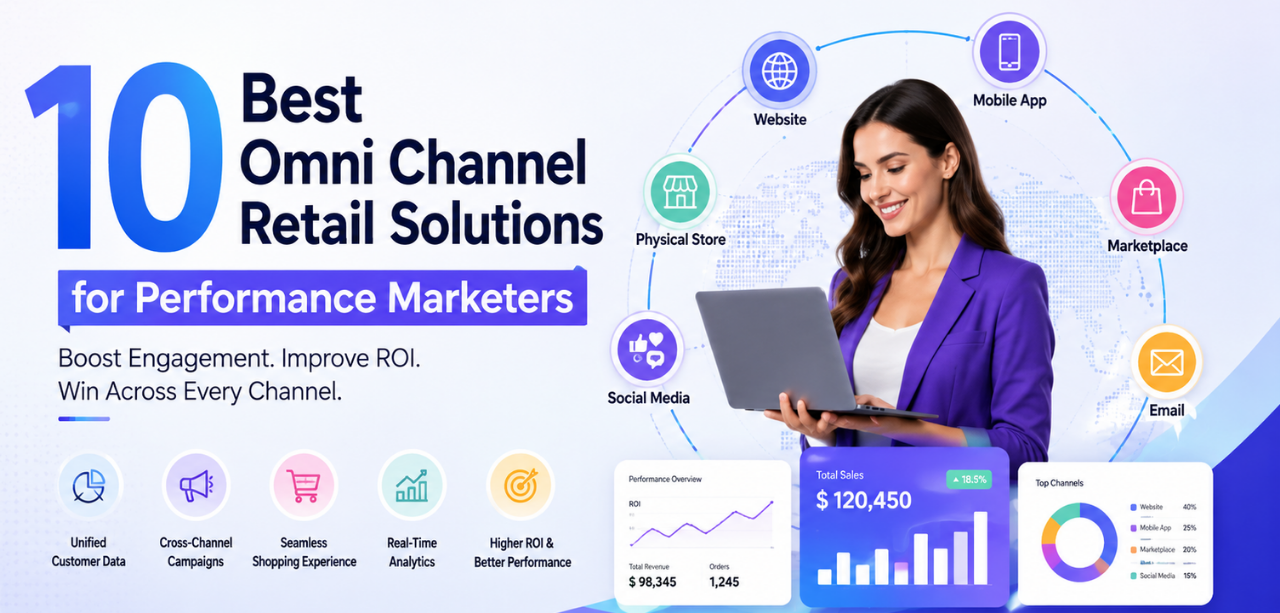
10 Best Omni Channel Retail Solutions for Performance Marketers
Introduction Think about the last time you browsed a product on your phone, added it to your cart on a laptop, and then picked it up in-store. That seamless experience didn’t happen by accident — it was powered by omni channel retail solutions working behind the scenes. For performance marketers in 2026, this isn’t optional […]
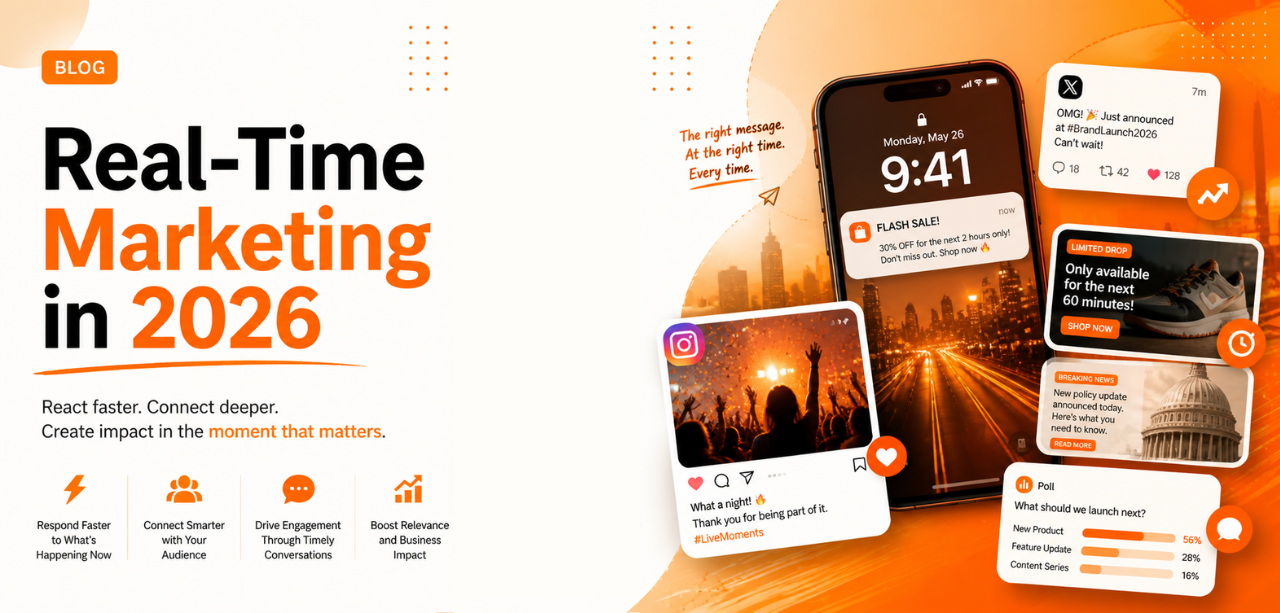
Real-Time Marketing in 2026: Strategy, Tools, and Implementation Guide
73% of consumers expect brands to understand their needs before they even reach out. In 2026, meeting that expectation means showing up at the right moment, on the right channel, with the right message, not hours later, but right now. Real-time marketing is the practice of responding to live events, customer behaviors, and trending moments […]
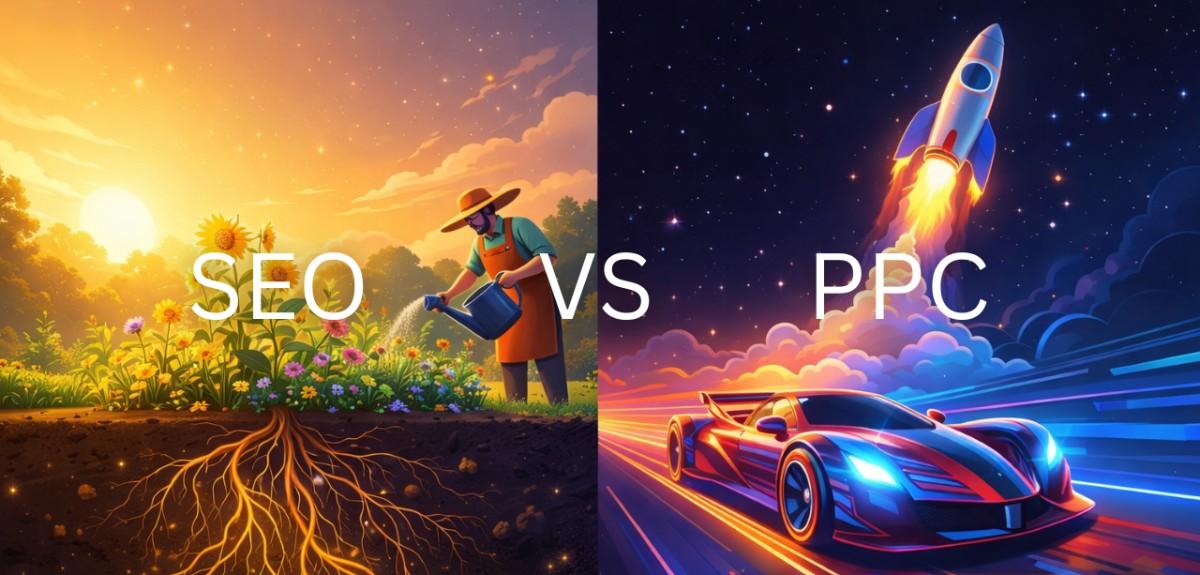
SEO vs PPC: Which Strategy Drives Better Growth in 2026?
The digital landscape for US businesses has never been more competitive. As we navigate 2026, the traditional battle of SEO vs PPC has evolved into a sophisticated game of data and intent. Whether you are a SaaS founder in Austin or an e-commerce giant in New York, choosing the right seo and ppc management strategy […]
Ready to Transform Your Advertising Strategy?
Join thousands of advertisers who trust Performoo to optimize their campaigns and maximize revenue.