Aggregated vs Non-Aggregated Data
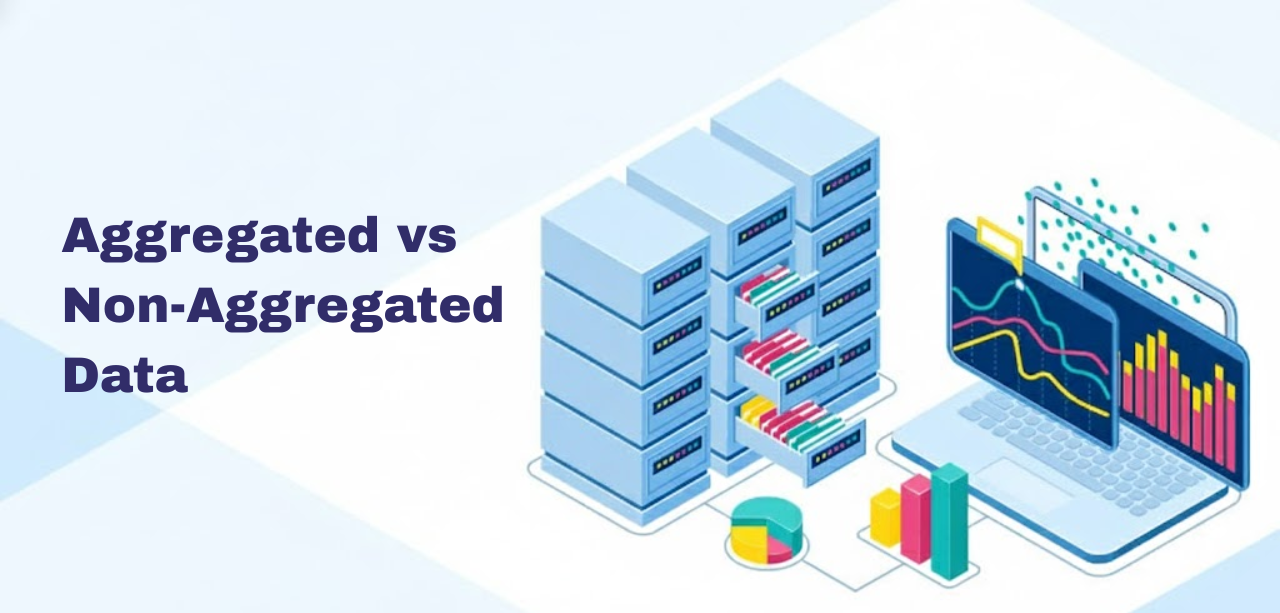
Understanding the difference between aggregated and non-aggregated data is crucial for anyone working with analytics, privacy compliance, or data management. This guide breaks down everything you need to know.
What is Aggregated Data?
Aggregated data is information that has been compiled and summarized from multiple individual data points into a consolidated format. Instead of seeing individual transactions, you see totals, averages, or counts that represent groups of records.
Key characteristics:
- Combines multiple records into statistical summaries (SUM, AVG, COUNT)
- Reduces granularity while revealing broader patterns
- Provides natural privacy protection by obscuring individual identities
- Improves query performance and reduces storage requirements
- Limits analytical flexibility to pre-defined summaries
Example: Instead of seeing “John Smith purchased a laptop for $1,299 on January 15,” aggregated data shows “Electronics sales: $45,000 in January” or “Average transaction value: $217.”
What is Non-Aggregated Data?
Non-aggregated data (also called raw or granular data) represents information in its original form where each record maintains complete individual detail and identity.
Key characteristics:
- Preserves every attribute and detail of original records
- Allows examination of individual entries independently
- Provides maximum analytical flexibility for slicing data any way
- Requires significantly more storage capacity
- Contains potential privacy risks if not properly protected
Example: The complete record shows customer name, exact product, precise timestamp, payment method, and every captured detail about that specific transaction.
Critical Differences Between Aggregated and Non-Aggregated Data
Privacy and Compliance
Aggregated data naturally protects privacy when properly implemented. Healthcare data showing “15% of patients experienced side effects” protects identities better than listing specific patients. However, groups smaller than 10-15 individuals risk re-identification.
Non-aggregated data contains individual-level information requiring stronger security controls. Regulations like GDPR, HIPAA, and CCPA treat non-aggregated personal data with strict requirements for consent, protection, and individual rights.
Analytical Capabilities
Aggregated data answers specific questions efficiently but lacks flexibility. If sales are aggregated by month and region, you cannot suddenly analyze by product category without returning to the source data.
Non-aggregated data offers unlimited analytical possibilities. You can segment, filter, and calculate in countless ways—like having all ingredients available to cook any recipe.
Performance and Storage
Aggregated data delivers instant query results because calculations are pre-computed. A company with 10 million transactions might need only 5MB for aggregated summaries versus 50GB for raw records.
Non-aggregated data requires more processing time for queries and significantly more storage space, but provides the foundation for all other analysis.
Real-World Applications
Business Intelligence
Tools like QuickSight, Tableau, and Power BI work with both data types. A common error occurs when users mix aggregated and non-aggregated fields in calculations.
Wrong: (Module1Completed + Module2Completed) / Employees
Right: (SUM(Module1Completed) + SUM(Module2Completed)) / SUM(Employees)
All fields in a calculation must be at the same aggregation level to avoid “mismatched aggregation” errors.
Agriculture Technology
Agricultural platforms illustrate both approaches clearly:
Aggregated model: Farmers Business Network combines anonymized data from thousands of farms to generate benchmarking insights. Farmers see how their yields compare to regional averages.
Non-aggregated model: SST’s agX platform explicitly promises not to aggregate user data, ensuring each farm’s information stays completely separate even in the cloud.
Both models have value—aggregation enables benchmarking while non-aggregation ensures competitive advantage and data control.
Healthcare Research
Hospitals maintain non-aggregated patient records for individual care decisions. The same data gets aggregated for research showing “patients taking medication X showed 23% improvement” without exposing individual records.
HIPAA allows properly de-identified aggregated data for research without patient consent, while non-aggregated records require strict protections.
When to Use Each Approach
Choose Aggregated Data When:
- Privacy protection is paramount
- Performance and speed matter most
- Long-term historical analysis is the goal
- Benchmarking against peers or industry standards
- Regulatory reporting requires statistical summaries
Choose Non-Aggregated Data When:
- Root cause analysis requires drilling into specific cases
- Personalization and recommendations need individual user details
- Audit trails and accountability demand complete records
- Exploratory analysis where questions aren’t predetermined
- Machine learning models require training on individual observations
Hybrid Strategy (Best Practice)
Most organizations maintain both types with different retention policies:
- Recent data: Keep non-aggregated for operational needs (days to weeks)
- Historical data: Aggregate to summaries sufficient for trend analysis (months to years)
- Archived data: Retain only high-level aggregates or delete per policy
This balances detail, performance, storage costs, and privacy protection.
Common Mistakes to Avoid
1. Small aggregated groups exposing privacy: Publishing “average salary for our three female executives” effectively discloses individual salaries. Always maintain minimum group sizes of 10-15 individuals.
2. Mixing aggregation levels in calculations: Business intelligence tools require all fields in a formula to be at the same aggregation level. Create calculations in layers—non-aggregated logic first, then aggregated summaries, then ratios combining aggregated fields.
3. Over-aggregating too quickly: Discarding detailed data before fully understanding future analytical needs creates permanent information loss. Document aggregation decisions and maintain detail longer for uncertain use cases.
4. Assuming aggregation automatically ensures privacy: Aggregation reduces risk but doesn’t eliminate it. Differential attacks, linkage with other datasets, and unique attribute combinations can still enable re-identification.
READ ALSO:- What Is Bidding Optimization?
Future Trends
Differential Privacy: Mathematical frameworks adding calibrated noise to aggregated results to provably prevent re-identification. Apple, Google, and the U.S. Census Bureau already use this approach.
Real-time Aggregation: Stream processing technologies enable live dashboards and immediate alerting on aggregated metrics without waiting for batch processes.
Federated Learning: Training machine learning models on aggregated insights without pooling raw data—promising for healthcare and finance where data sharing faces barriers.
Leveraging Data Intelligence for Better Performance
Understanding how to work with aggregated and non-aggregated data becomes even more powerful when combined with the right analytics tools. Modern platforms are transforming how businesses extract insights from their data—whether it’s detailed transaction records or high-level performance metrics.
For businesses focused on video marketing and digital advertising, the ability to track both granular engagement data (individual user interactions, view durations, click patterns) and aggregated performance metrics (overall campaign reach, average engagement rates, conversion trends) is crucial for optimization.
Platforms like Performoo combine advanced AI algorithms with cutting-edge technology to deliver exceptional performance and actionable insights. By leveraging machine learning to analyze both aggregated campaign data and non-aggregated user behavior, businesses can optimize their creative assets and delivery strategies in real-time.
The integration of comprehensive analytics with intelligent data management allows marketers to understand not just what’s happening overall, but why individual campaigns succeed or fail—bridging the gap between aggregated performance dashboards and granular behavioral insights.
READ ALSO:- Understanding Ad-Tech
Conclusion
The choice between aggregated and non-aggregated data isn’t binary—it’s a strategic decision aligning with your analytical needs, privacy requirements, and resource constraints.
Non-aggregated data provides maximum flexibility and detail but demands stronger security and more storage. Aggregated data offers privacy protection and performance but limits analytical possibilities.
Success requires understanding these fundamental differences and implementing thoughtful hybrid approaches that maintain appropriate aggregation levels throughout your data’s lifecycle. Whether you’re optimizing video campaigns, building business intelligence reports, or managing customer data, the right balance between granular detail and aggregated insights drives better decision-making.
Whether you’re building reports, evaluating data platforms, assessing compliance risks, or architecting storage systems, this distinction affects every aspect of working with your organization’s most valuable asset: its data.
Related Articles
Continue your learning journey with these related insights
All you need to know about the revenue chart
Introduction Every business wants to grow. But wanting growth and actually measuring it are two very different things. That’s where a revenue growth chart comes in. Whether you’re a startup founder trying to hit your first $1M in revenue or a finance analyst presenting quarterly results to a board, a revenue growth chart gives you […]
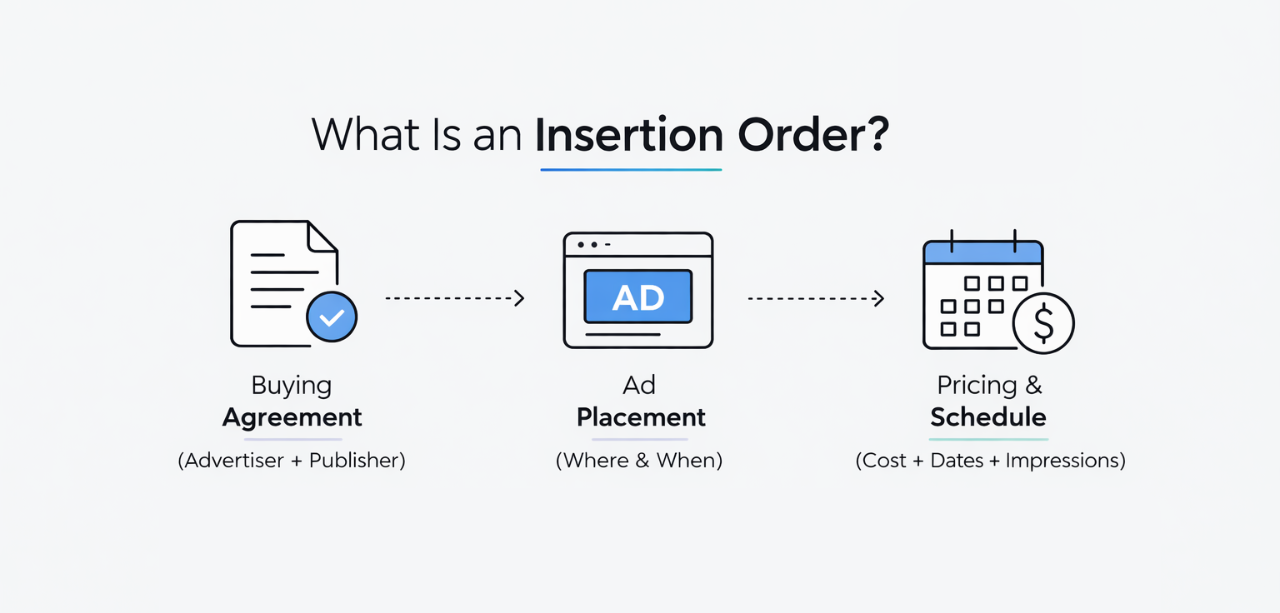
What Is an Insertion Order? A Complete Guide for Modern Advertising and Marketing Teams
In the fast-paced world of digital marketing, where millions of ads are bought and sold in milliseconds via algorithms, it’s easy to think that “handshake deals” have gone entirely digital. But when you’re moving significant budgets—whether it’s a $5,000 localized campaign or a $500,000 national takeover—you need more than just a “settings saved” notification. You […]
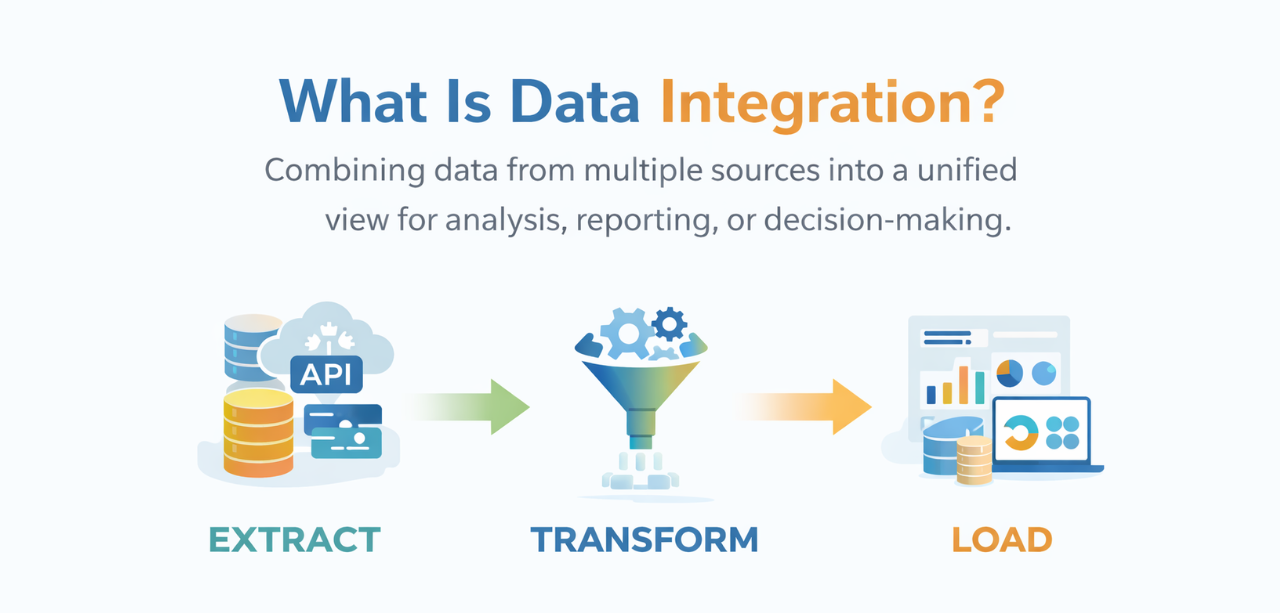
What Is Data Integration? A Complete Guide for 2026
Introduction Your sales team uses Salesforce. Your marketing team relies on HubSpot. Your finance department lives in QuickBooks. And your customer data? It’s scattered across all three—plus a dozen other systems. Sound familiar? This is the reality for most modern businesses. Data silos aren’t just inconvenient—they cost companies millions in lost insights, duplicated efforts, and […]
Ready to Transform Your Advertising Strategy?
Join thousands of advertisers who trust Performoo to optimize their campaigns and maximize revenue.