What’s the Difference Between AdTech and MarTech?
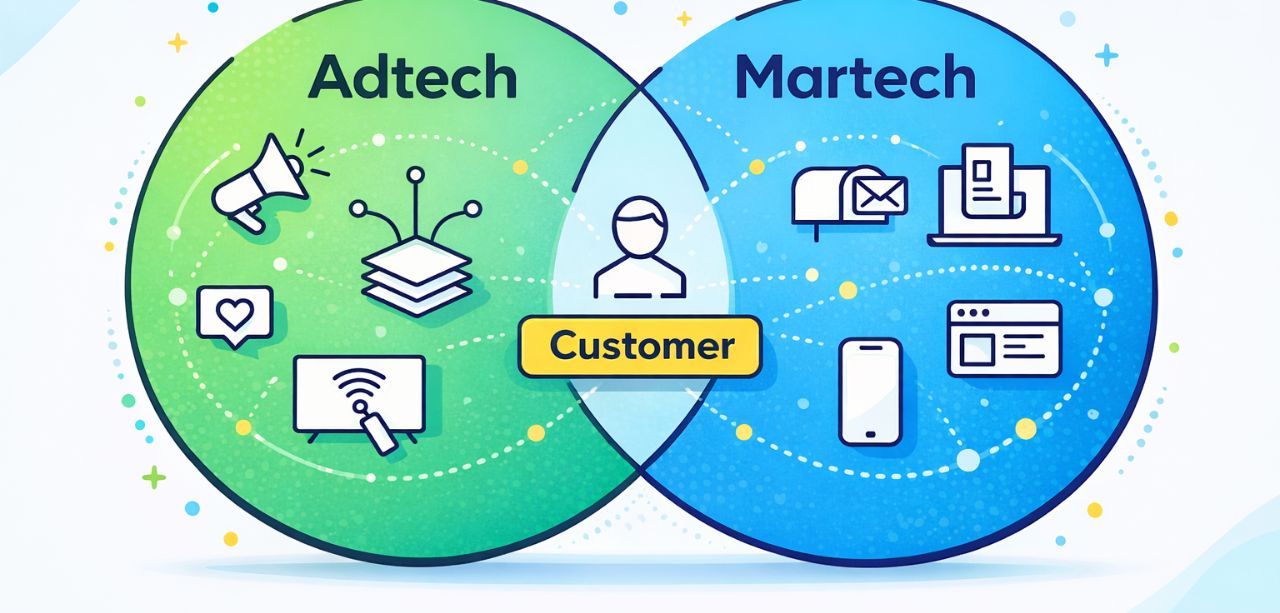
In today’s digital-first world, marketing success depends heavily on technology. Two terms you’ll hear constantly are MarTech and AdTech. While they often work together, they serve very different purposes. Understanding the differences between martech and adtech is essential for building effective marketing strategies, enhancing customer experience, and maximizing return on investment (ROI).
This guide explains what MarTech and AdTech are, how they differ, where they overlap, and how businesses can utilize both to drive sustainable growth.
What Is MarTech?
MarTech, short for Marketing Technology, refers to the tools and software marketers use to plan, execute, manage, and analyze marketing activities across the entire customer lifecycle.
Think of MarTech as the engine that powers customer relationships. It helps brands understand user behavior, personalize communication, automate workflows, and build long-term engagement across owned channels.
MarTech focuses on known audiences, leads, prospects, and customers—and uses first-party data to deliver relevant experiences at the right time.
Common MarTech Tools
- Customer Relationship Management (CRM) platforms like Salesforce and HubSpot
- Email marketing tools such as Mailchimp and Klaviyo
- Marketing automation platforms like Marketo and Pardot
- Content Management Systems (CMS), including WordPress and Drupal
- SEO and analytics tools such as SEMrush, Ahrefs, and Google Analytics
- Social media management tools like Hootsuite and Buffer
Primary goal: Improve engagement, conversions, retention, and customer lifetime value.
What Is AdTech?
AdTech, or Advertising Technology, refers to the platforms and systems used to create, manage, distribute, and optimize paid digital advertising campaigns.
AdTech is focused on customer acquisition. It helps brands reach new audiences through paid channels such as search, display, video, and social advertising.
By automating media buying and audience targeting, AdTech enables advertisers to scale campaigns efficiently and measure performance in real time.
Common AdTech Platforms
- Demand-Side Platforms (DSPs) like The Trade Desk
- Supply-Side Platforms (SSPs) such as PubMatic
- Ad exchanges like Google AdX
- Data Management Platforms (DMPs)
- Programmatic advertising platforms
- Search Engine Marketing (SEM) and display ad tools
- Ad servers and tracking solutions
Primary goal: Drive awareness, traffic, and conversions through paid media.
MarTech vs AdTech | Key Differences Explained
Understanding martech vs adtech becomes easier when you compare them across core dimensions.
1. Primary Objective
- AdTech: Acquire new customers and generate demand through advertising
- MarTech: Nurture relationships, convert leads, and retain customers
2. Funnel Focus
- AdTech: Top of the funnel (awareness and discovery)
- MarTech: Middle and bottom of the funnel (engagement, conversion, loyalty)
3. Data Usage
- AdTech: Historically relied on third-party data; now shifting toward contextual and first-party strategies due to privacy changes
- MarTech: Uses first-party data such as website behavior, CRM records, email engagement, and purchase history
4. Channels
- AdTech: Paid media—search ads, display ads, video ads, social ads
- MarTech: Owned and earned channels—email, websites, content, CRM, organic social
5. Metrics & KPIs
- AdTech metrics: Impressions, CTR, CPC, CPA, ROAS
- MarTech metrics: Conversion rate, retention, engagement, CLV, overall marketing ROI
6. Pricing Models
- AdTech: CPM, CPC, CPA, or percentage of media spend
- MarTech: Subscription-based SaaS pricing
MarTech vs AdTech Comparison Table
| Aspect | MarTech | AdTech |
| Core Goal | Retention & engagement | Acquisition & awareness |
| Funnel Stage | Mid to bottom | Top |
| Data Type | First-party data | Third-party & contextual |
| Channels | Email, CRM, content | Ads, search, social |
| Pricing | SaaS subscription | CPC, CPM, CPA |
How MarTech and AdTech Work Together
MarTech and AdTech are not competitors—they are complementary. The strongest digital strategies integrate both into a single workflow.
How They Align
- Acquisition to retention: AdTech brings users in; MarTech converts and nurtures them
- Data synergy: CRM data can power ad targeting, while ad engagement data improves personalization
- Consistent messaging: Ads introduce the brand; MarTech maintains consistency across owned channels
- Optimization loop: Insights from one system continuously improve the other
Together, they create a seamless customer journey from first impression to long-term loyalty.
Current Trends Shaping MarTech and AdTech
Privacy-First Marketing
With cookie deprecation and stricter regulations, both ecosystems are prioritizing consent-based, first-party data strategies.
AI and Automation
AI is transforming both spaces:
- AdTech uses AI for bidding, targeting, and creative optimization
- MarTech uses AI for personalization, predictive analytics, and content automation
Platform Convergence (MadTech)
The line between martech vs adtech is blurring. CDPs, analytics platforms, and AI engines now serve both functions—often referred to as MadTech.
Advanced Attribution
Multi-touch attribution models are helping marketers understand how ads and owned channels work together across the customer journey.
How to Choose the Right Martech vs Adtech Mix
Your ideal technology stack depends on your business goals.
Prioritize AdTech if you want to:
- Build brand awareness
- Enter new markets
- Scale customer acquisition quickly
- Drive immediate traffic and conversions
Prioritize MarTech if you want to:
- Improve customer retention
- Increase lifetime value
- Personalize user experiences
- Automate marketing operations
Most successful brands invest in both, aligning acquisition with long-term growth.
FAQ: Martech vs Adtech
Is Google Ads MarTech or AdTech?
Google Ads is an AdTech platform because it focuses on paid customer acquisition.
Can MarTech work without AdTech?
Yes, but growth may be slower. AdTech accelerates reach, while MarTech maximizes value.
What is MadTech?
MadTech is the convergence of marketing and advertising technologies into a unified ecosystem.
Final Thoughts
The martech vs adtech debate isn’t about choosing one over the other. AdTech brings customers to your brand. MarTech determines whether they stay, convert, and return.
When integrated strategically, these technologies create a powerful growth engine—one that attracts the right audience, delivers meaningful experiences, and builds long-term business value.
The future of digital marketing belongs to brands that master both reach and relationships.
[/et_pb_text][/et_pb_column] [/et_pb_row] [/et_pb_section]Related Articles
Continue your learning journey with these related insights
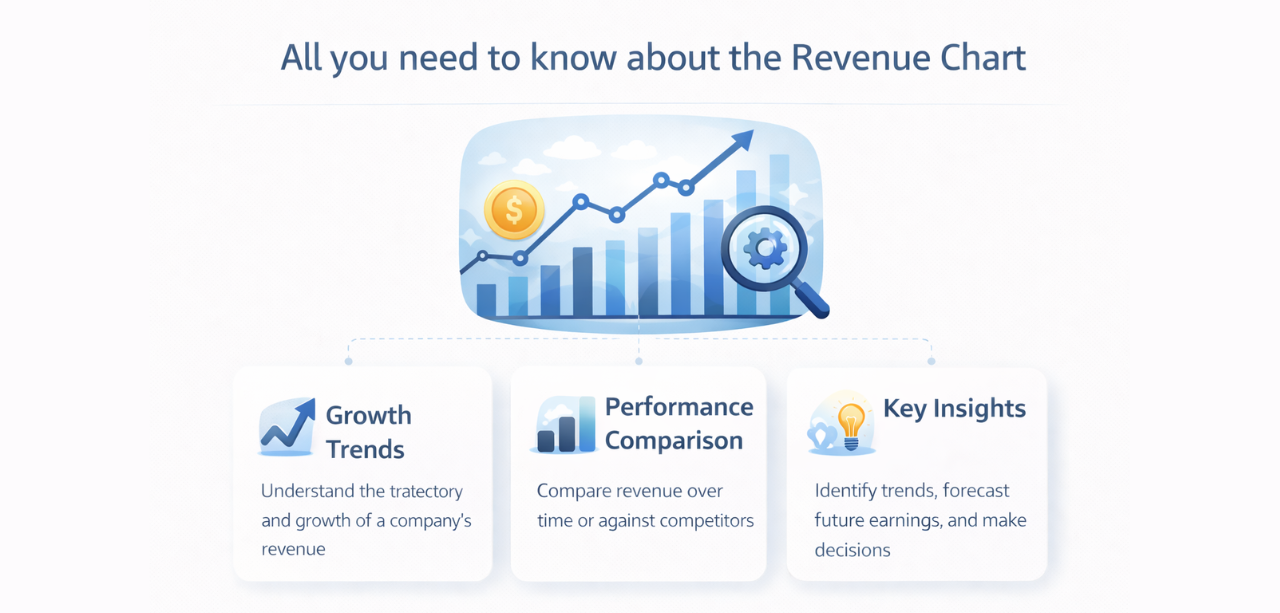
All you need to know about the revenue chart
Introduction Every business wants to grow. But wanting growth and actually measuring it are two very different things. That’s where a revenue growth chart comes in. Whether you’re a startup founder trying to hit your first $1M in revenue or a finance analyst presenting quarterly results to a board, a revenue growth chart gives you […]
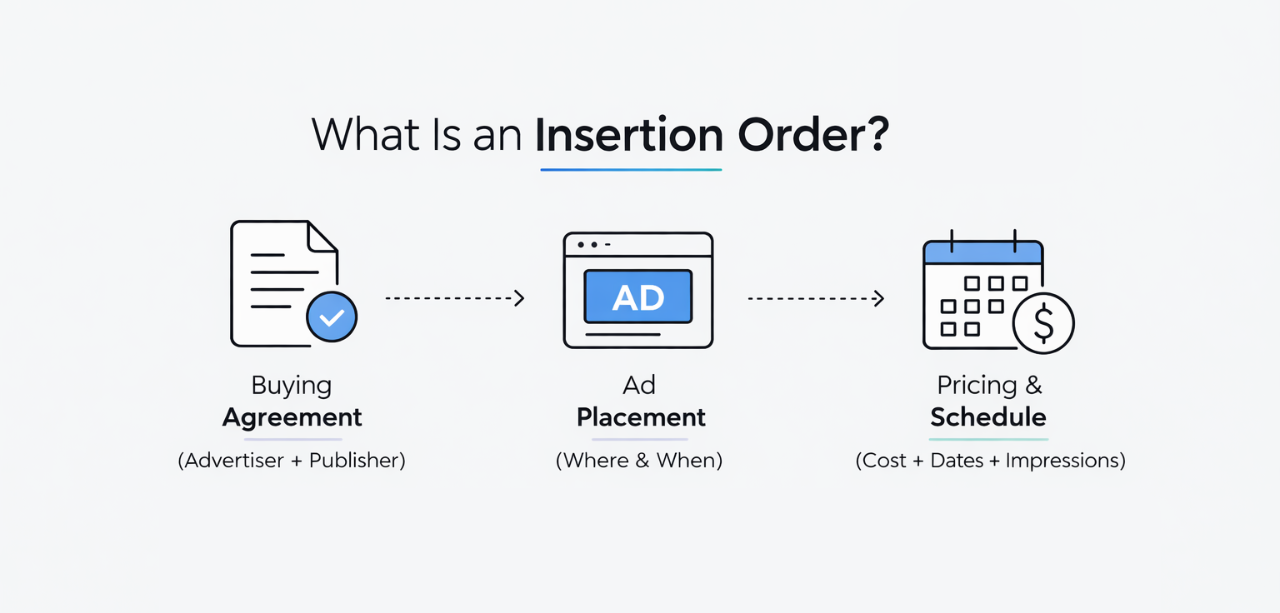
What Is an Insertion Order? A Complete Guide for Modern Advertising and Marketing Teams
In the fast-paced world of digital marketing, where millions of ads are bought and sold in milliseconds via algorithms, it’s easy to think that “handshake deals” have gone entirely digital. But when you’re moving significant budgets—whether it’s a $5,000 localized campaign or a $500,000 national takeover—you need more than just a “settings saved” notification. You […]
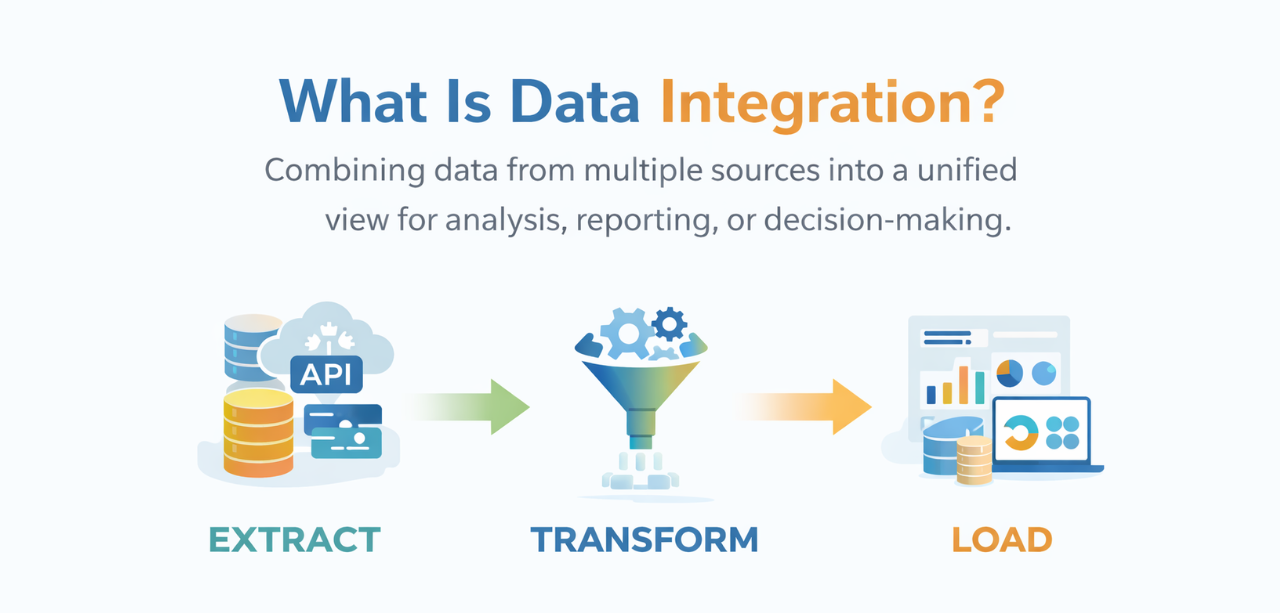
What Is Data Integration? A Complete Guide for 2026
Introduction Your sales team uses Salesforce. Your marketing team relies on HubSpot. Your finance department lives in QuickBooks. And your customer data? It’s scattered across all three—plus a dozen other systems. Sound familiar? This is the reality for most modern businesses. Data silos aren’t just inconvenient—they cost companies millions in lost insights, duplicated efforts, and […]
Ready to Transform Your Advertising Strategy?
Join thousands of advertisers who trust Performoo to optimize their campaigns and maximize revenue.